 Astrophysics · Stellar Evolution · Black Holes
The Star That Vanished Without an Explosion
Some massive stars do not end in a supernova. They flicker, fade, and quietly fall into the black hole they have just become. In Andromeda, astronomers finally watched it happen.
 Astrophysics · Black Holes · Galactic Center
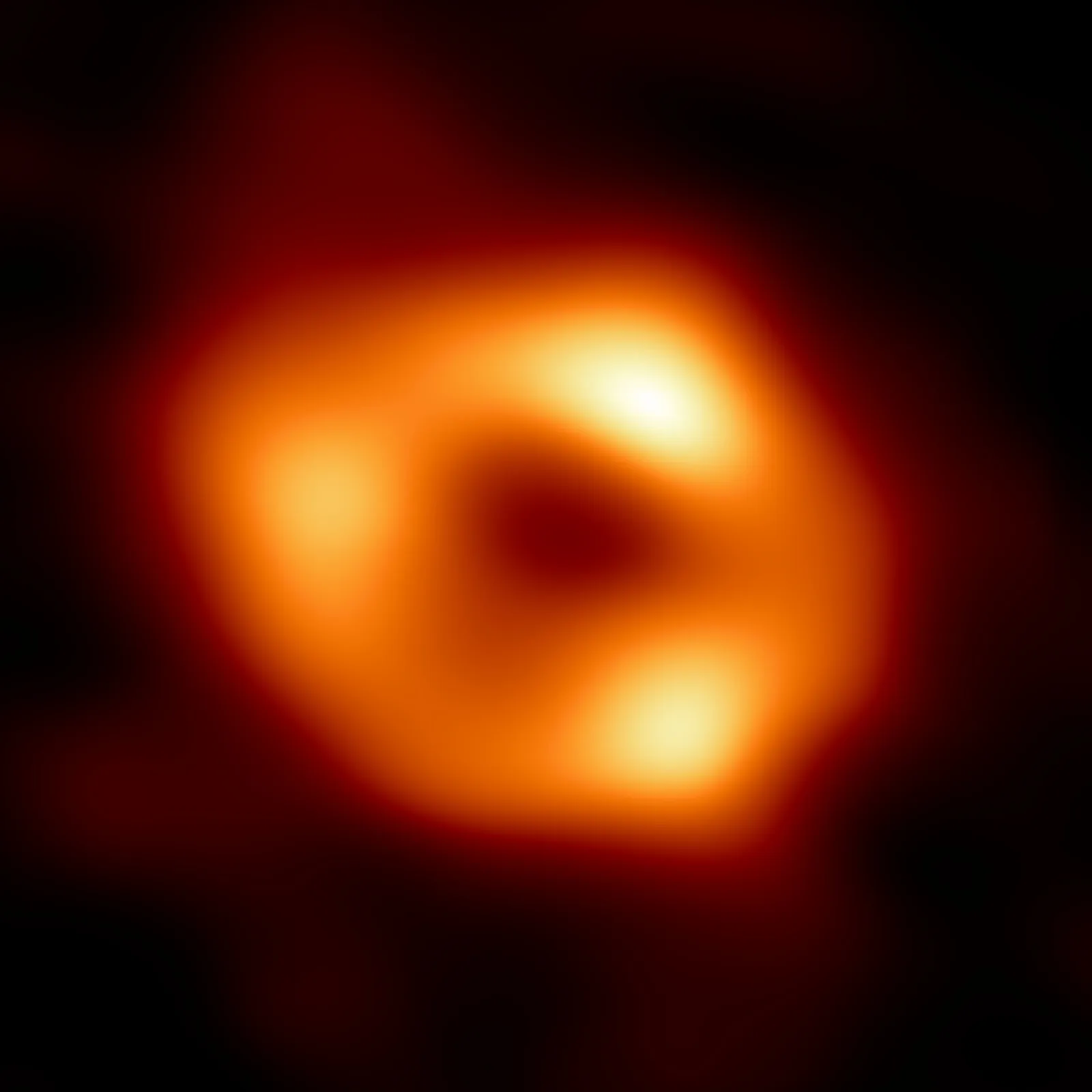
The Black Hole at the Center of the Milky Way
Sagittarius A* is a supermassive black hole 4.3 million times the mass of the Sun, sitting 27,000 light-years from Earth. For three decades it was an inference drawn from the orbits of stars. In 2022, a planet-sized telescope finally photographed it.
 Astrophysics · Quasars · Black Holes
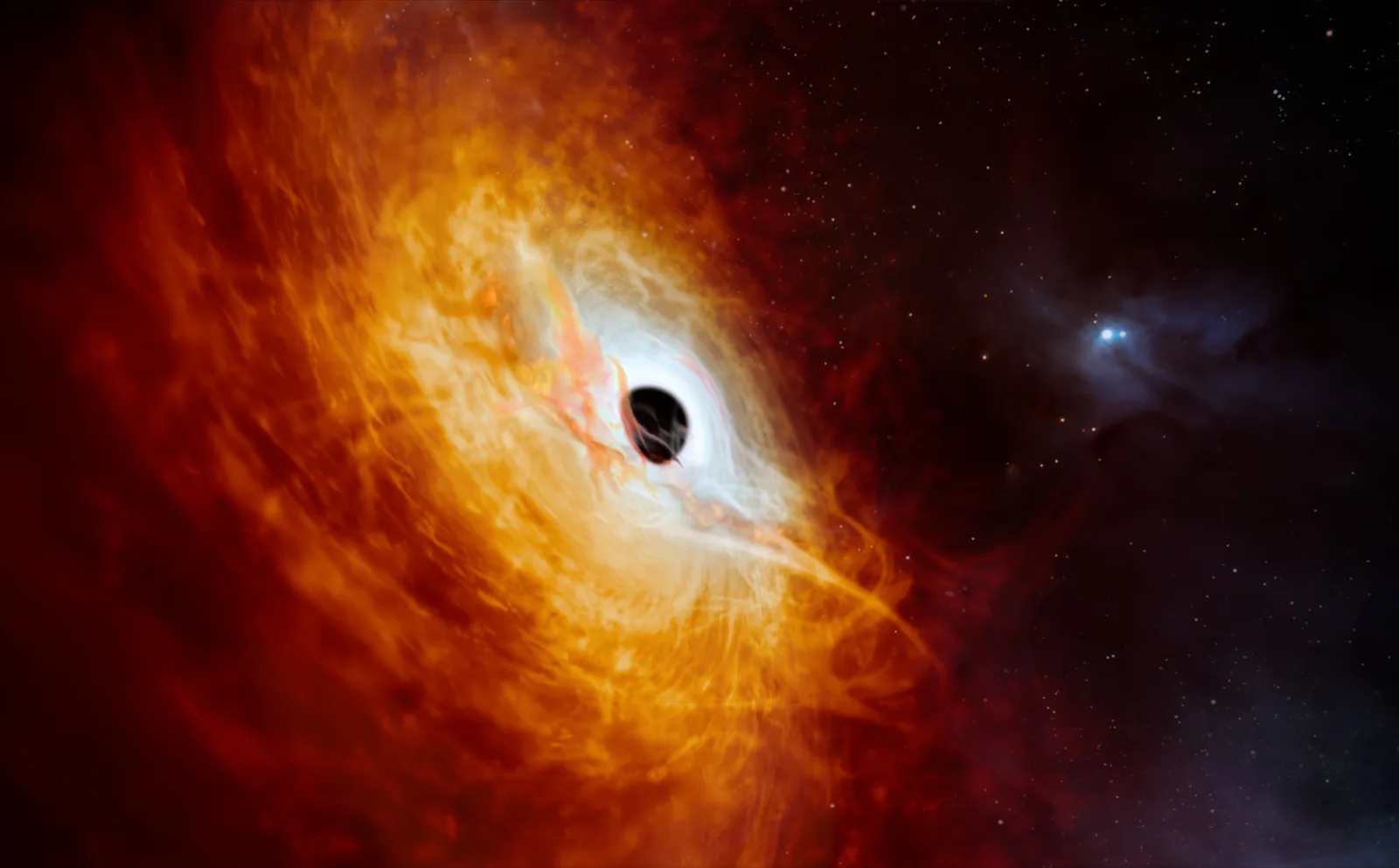
The Brightest Object in the Universe Was Hiding as a Star
J0529-4351 outshines five hundred trillion Suns, yet for forty years our telescopes filed it away as an ordinary point of light. The truth is a black hole seventeen billion times the mass of the Sun, swallowing a star a day.
 Astrophysics · Supernovae · Magnetars
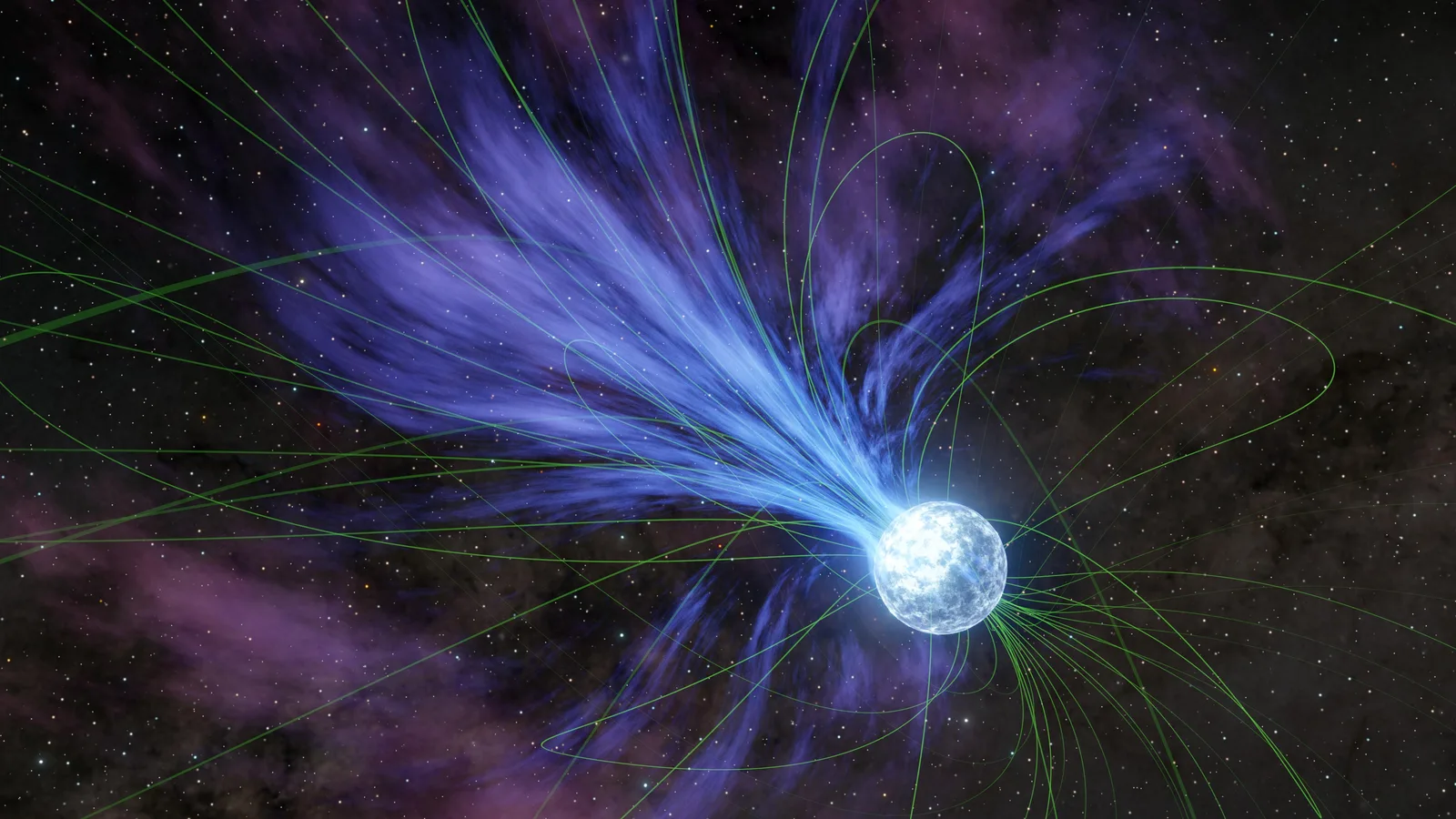
The Supernova That Chirped Like a Black Hole Merger
A billion light-years away, one of the brightest explosions in the universe pulsed with a rhythm that kept speeding up. That accelerating beat, astronomers say, is the heartbeat of a newborn magnetar.
 Astrophysics · Stellar Evolution · White Dwarfs
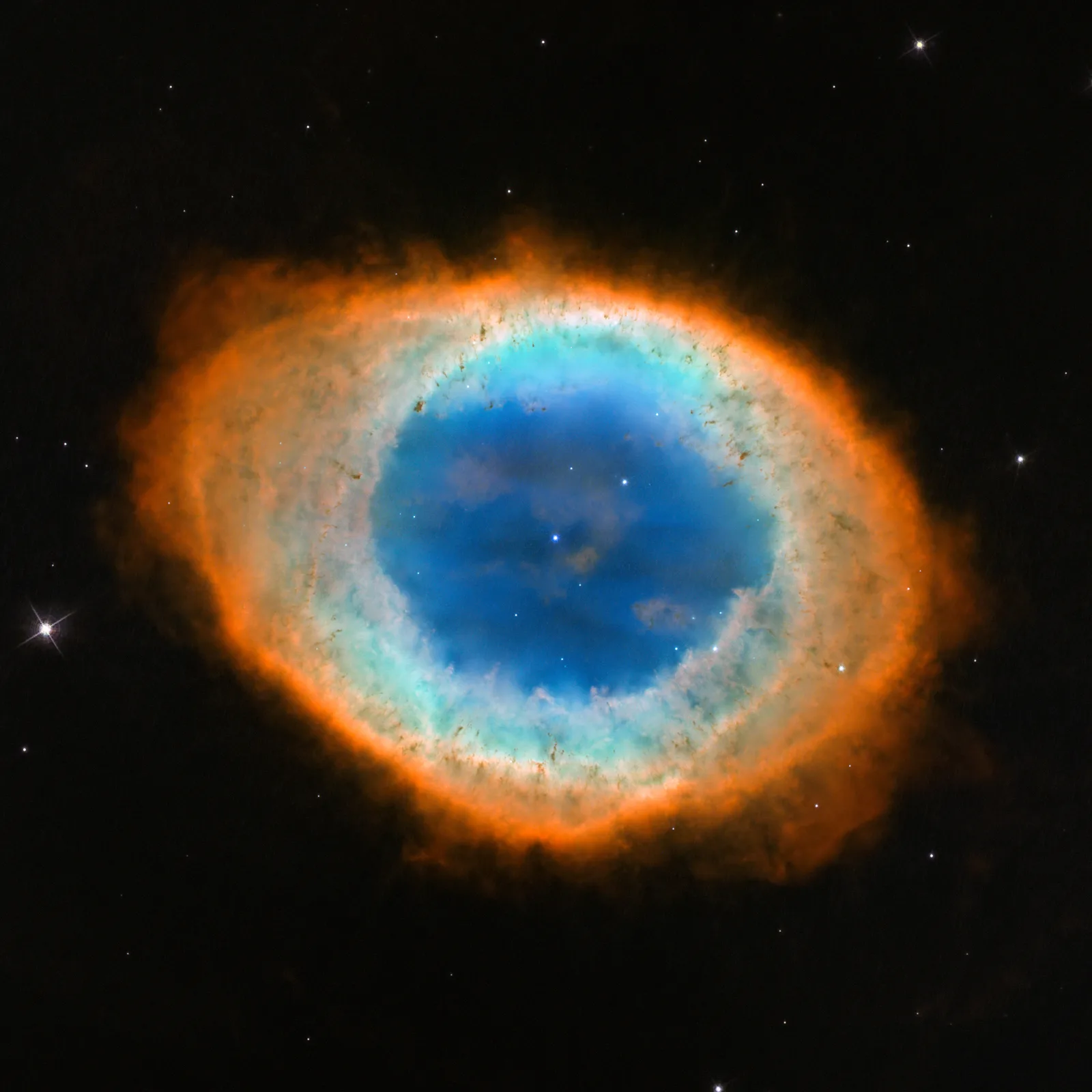
What the Sun Will Become When It Dies
In about five billion years the Sun will swell, shed its outer layers, and leave behind an Earth-sized ember of carbon and oxygen. New Gaia data shows those embers slowly crystallize into the largest diamonds in the cosmos.
 Astrophysics · Neutron Stars · Multi-messenger Astronomy
The Explosion That May Have Detonated Twice
In August 2025, a faint gravitational tremor and a fading point of light arrived together from 1.3 billion light-years away. Astronomers had theorized this combination for years. They had never seen it. They are calling the candidate a superkilonova.
 Astrophysics · Supernovae · Black Holes
The Supernova a Machine Saw Before Anyone Else
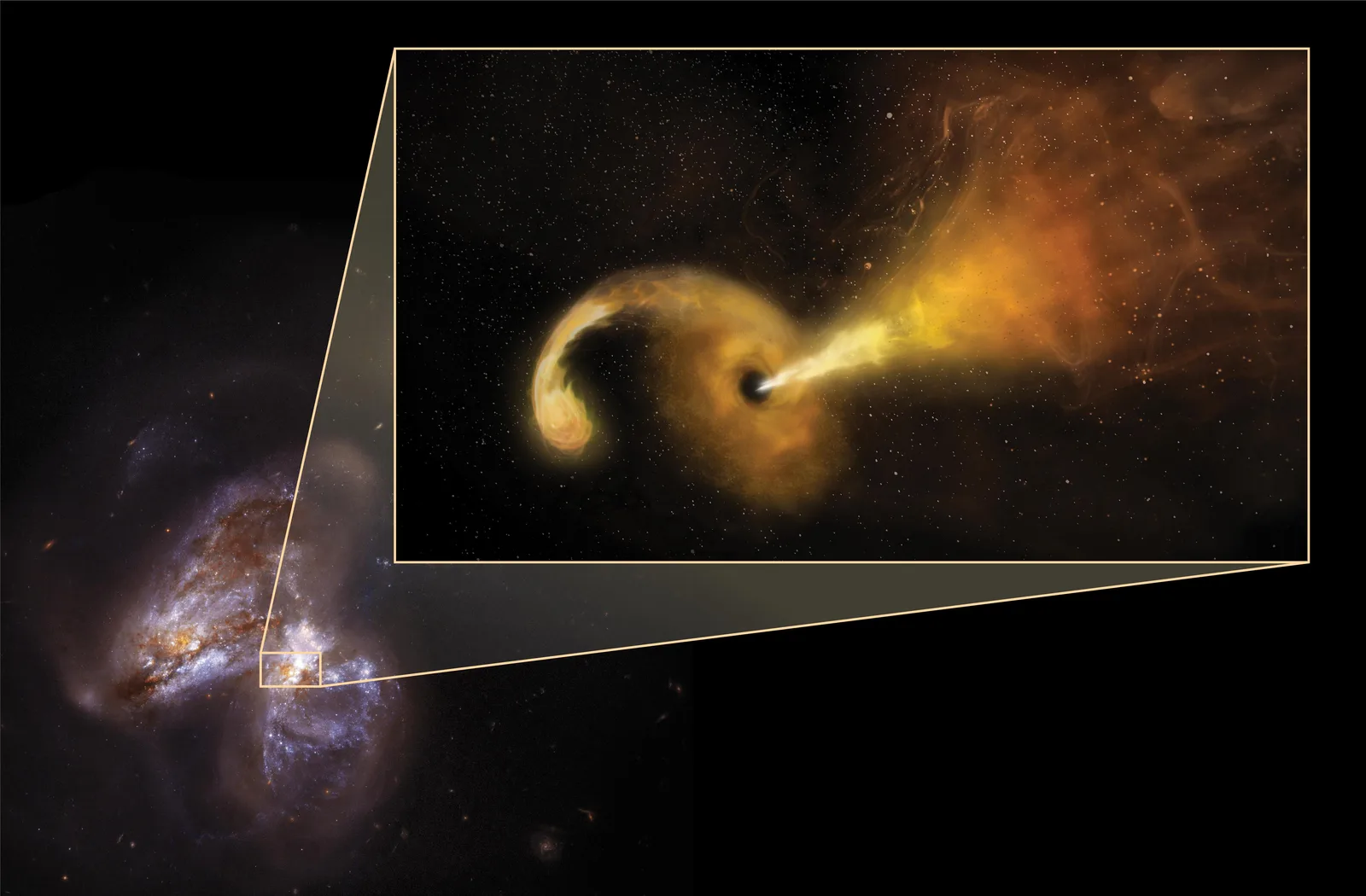
A star 730 million light-years away brightened for four years, exploded, then exploded again. No human flagged it. An algorithm built to find the strange did, and the picture it pieced together was a dying star wrestling a black hole.
 Signals & Anomalies · Radio Astronomy · Magnetars
The Millisecond Flash That Crosses the Universe
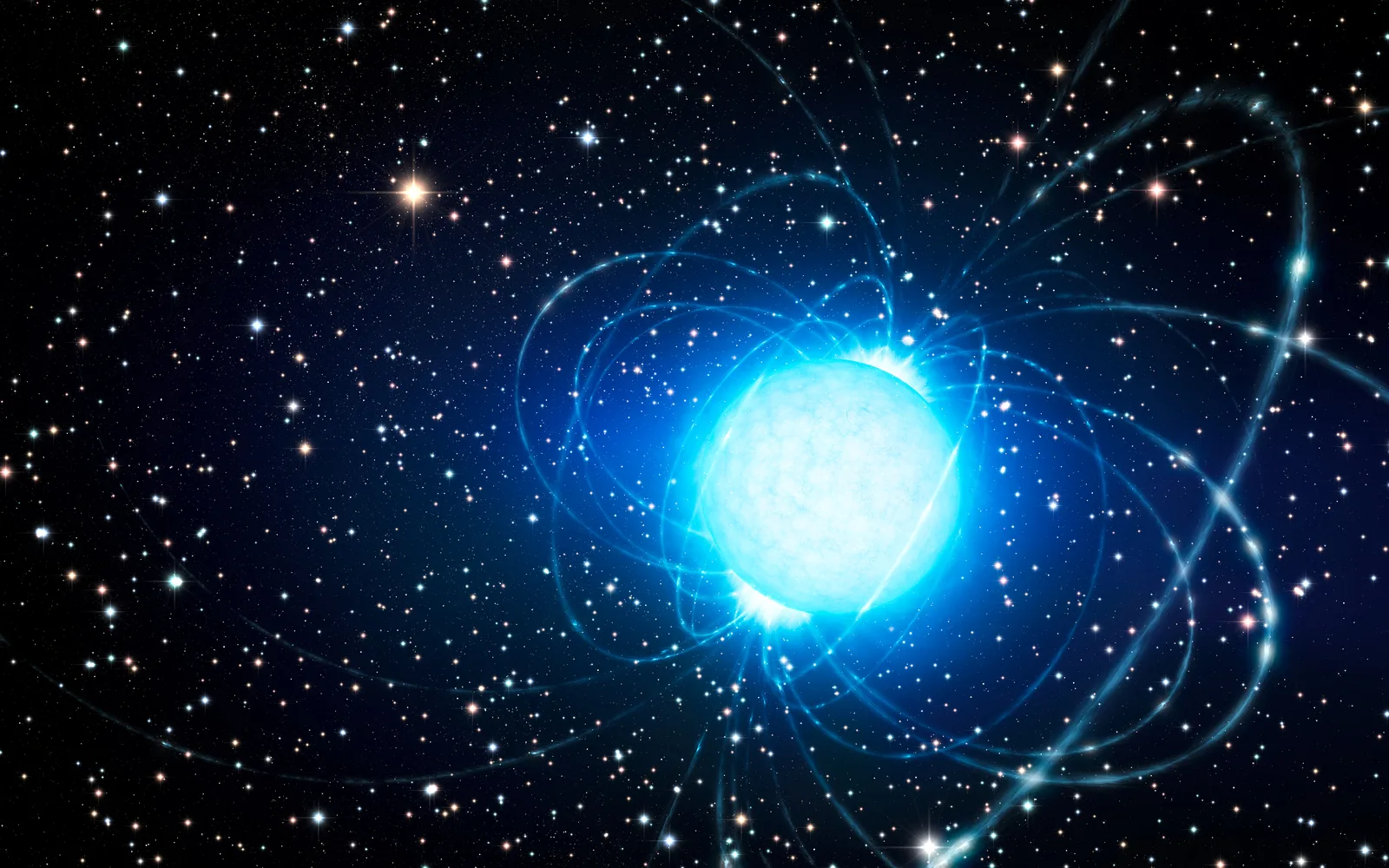
For sixteen years, fast radio bursts arrived from nowhere and explained nothing. Then one of them came from inside our own galaxy, and the prime suspect finally had a face.
 Signals & Anomalies · Magnetars · Radio Astronomy
The Dead Star That Emits a Mix of Radiation No One Has Seen
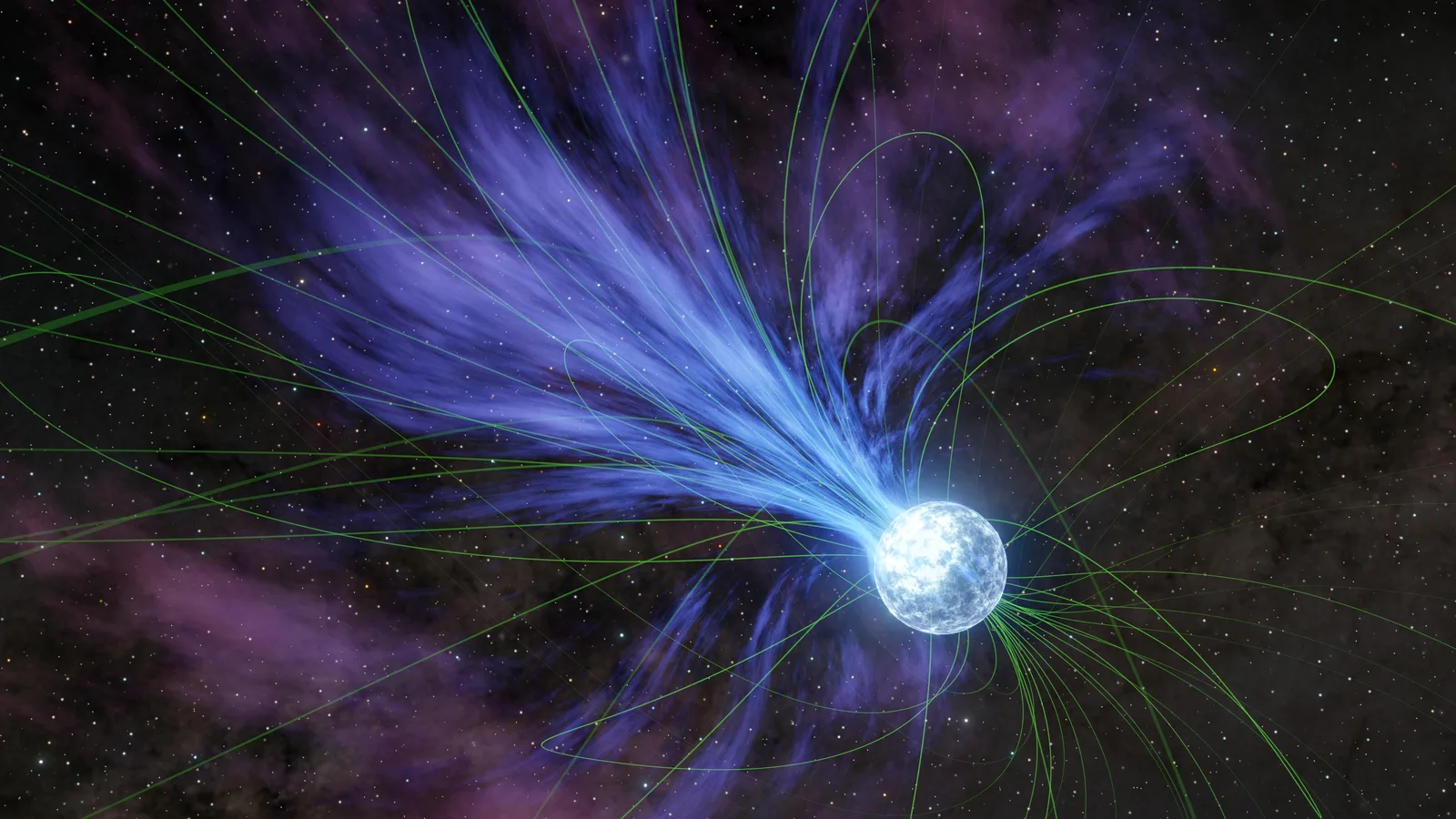
A stellar corpse in the Scutum arm pulses in radio waves and X-rays every 44 minutes. It does not behave like a magnetar, a pulsar, or a white dwarf. Astronomers are not sure what it is.
 Cosmology · Dark Matter · Black Holes
The Quiet Suspect Behind the Universe's First Giant Black Holes
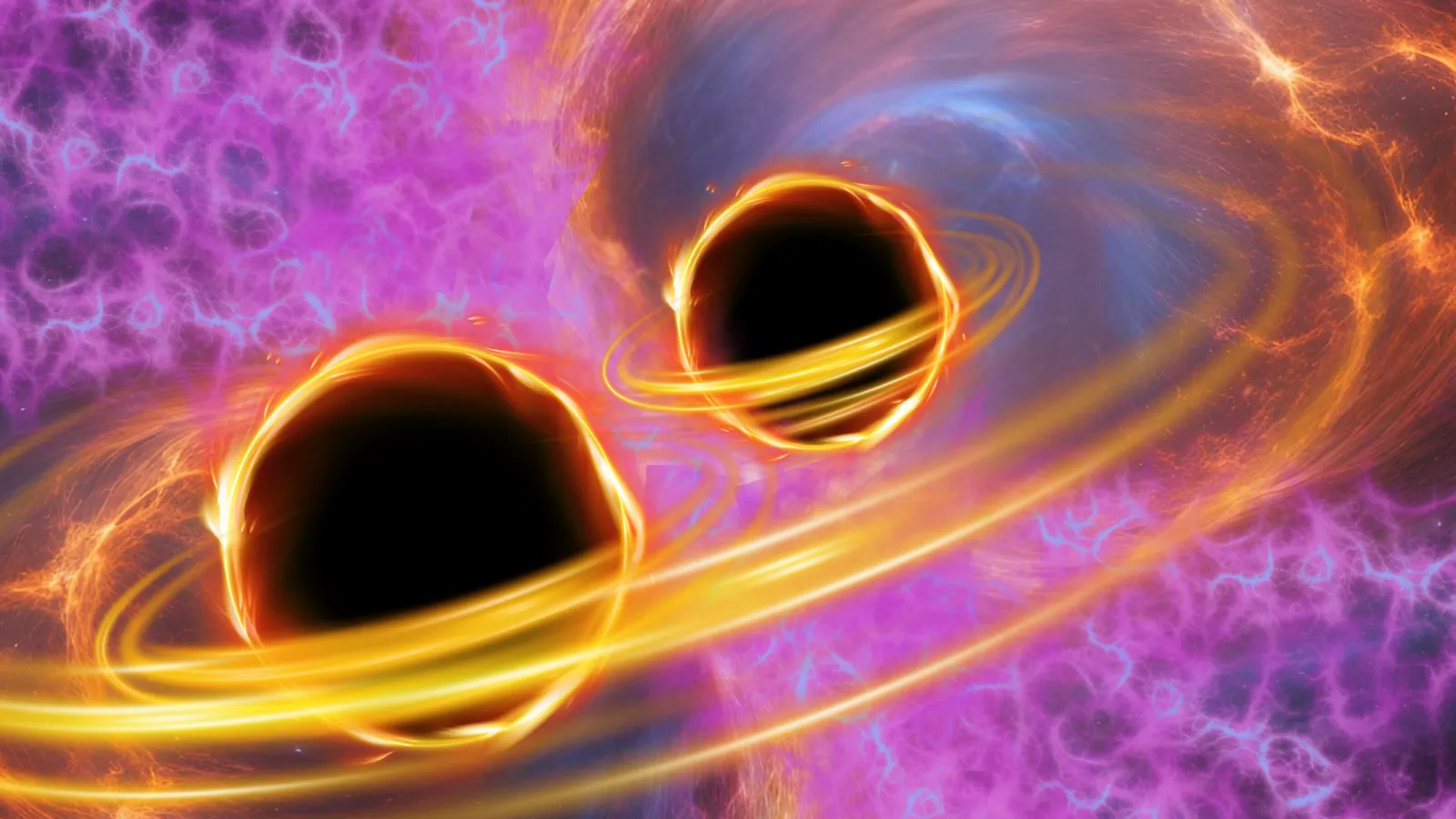
Supermassive black holes appeared too early and grew too fast for standard physics to comfortably explain. A 2026 study proposes an unlikely culprit: dark matter slowly falling apart in the dark.
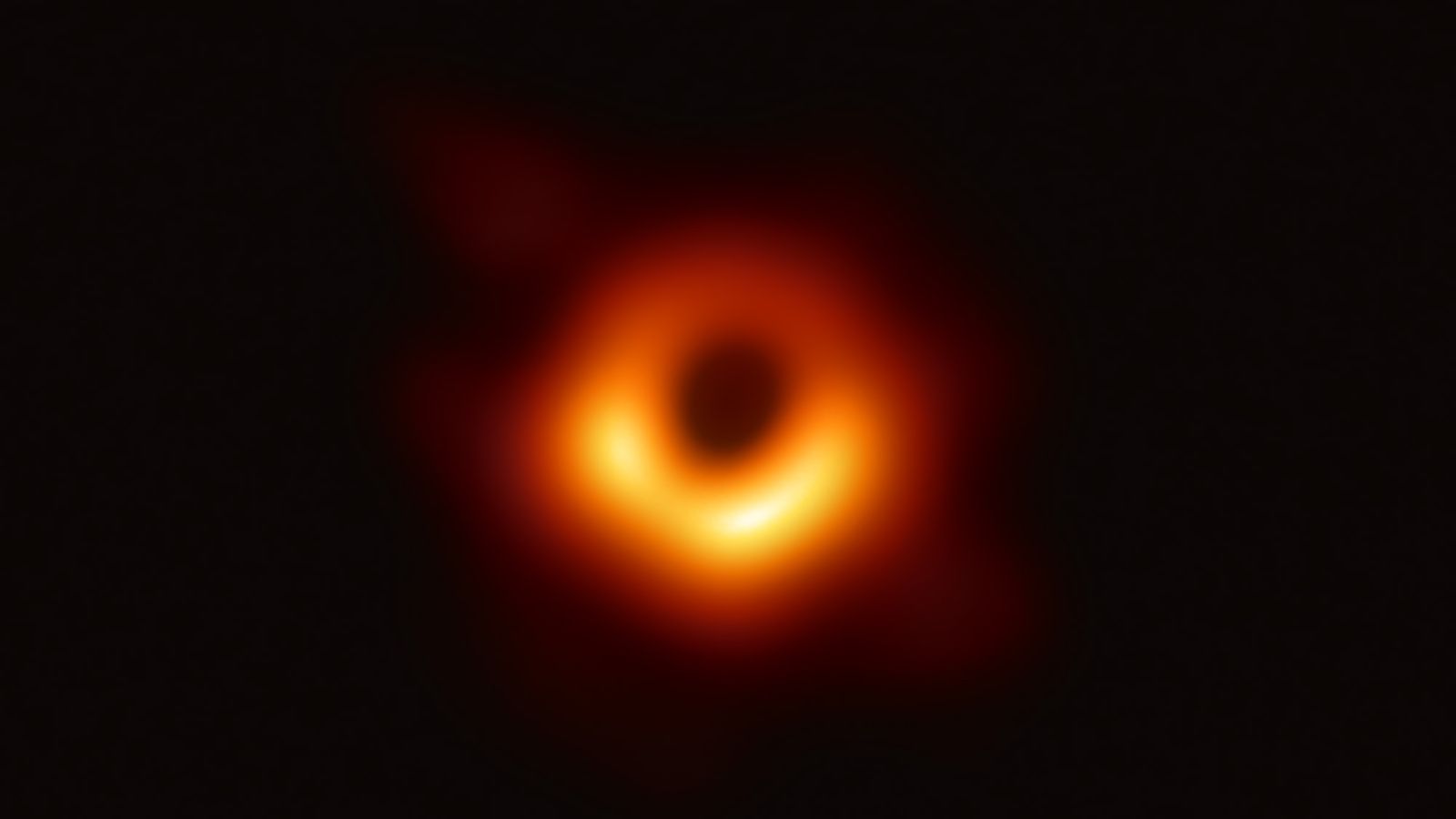 Astrophysics · Black Holes · Quantum Gravity
How Black Holes Eventually Die, And the Lab That Glimpsed It Happening
In 1971, Stephen Hawking proved a theorem stating that the surface area of a black hole's event horizon can never decrease. Three years later, he proved himself wrong. The mechanism that makes black holes die has now been observed, not in the sky, but in a chilled laboratory in Israel.
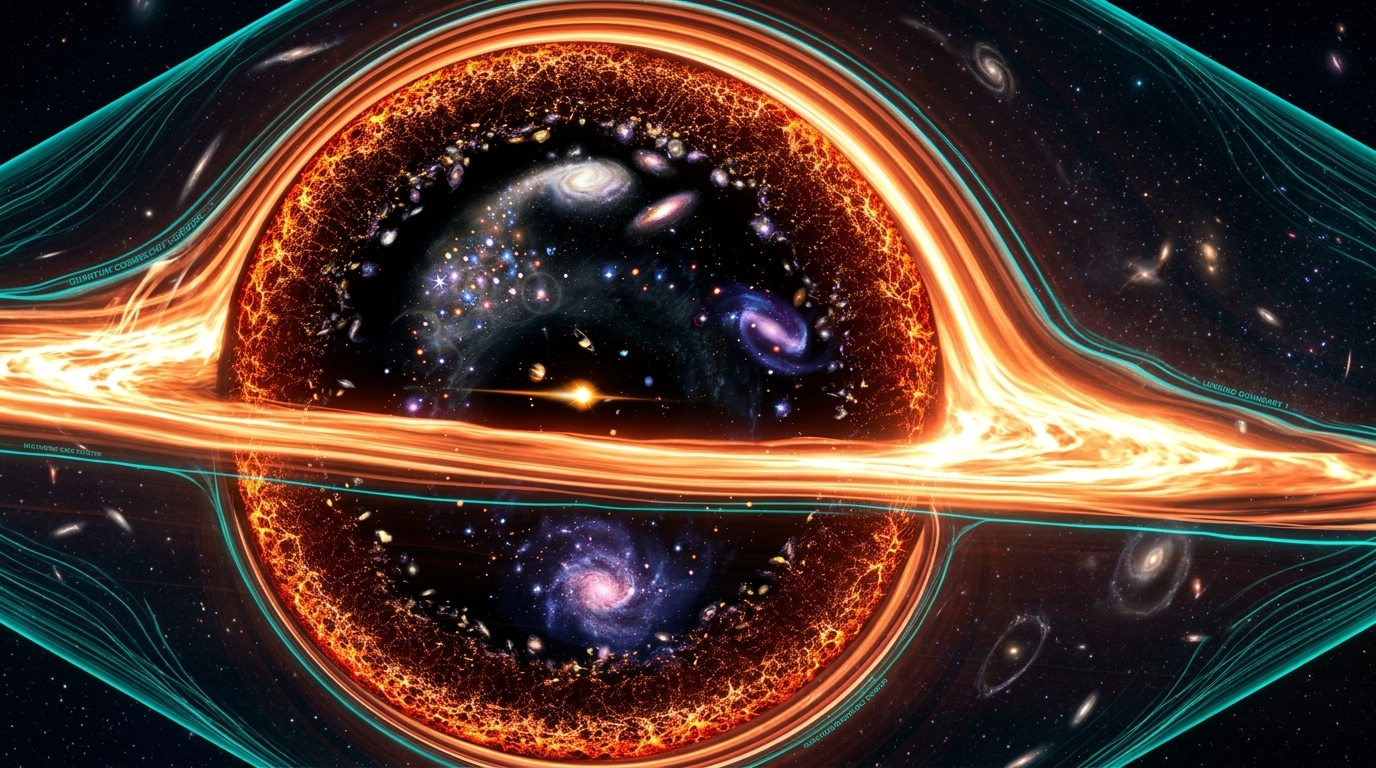 Cosmology · Black Holes · Theoretical Physics
What If Every Black Hole Contains a Universe?
In 1972, the Indian-American physicist Raj Kumar Pathria published a one-page paper in Nature with a single audacious suggestion: the observable universe and a black hole may, mathematically, be the same kind of object. Half a century later, the idea has matured into a serious branch of theoretical cosmology.
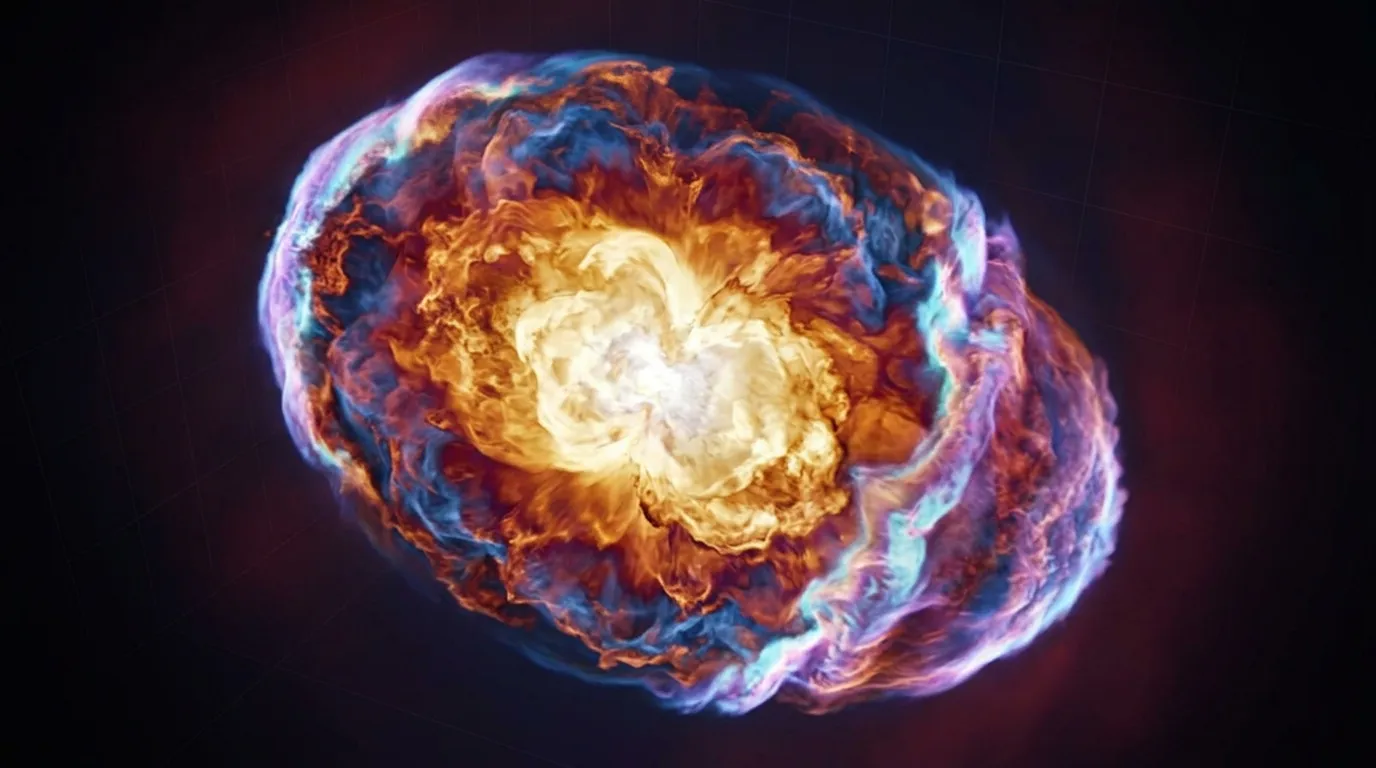 Astrophysics · Supernovae · Stellar Evolution
We Caught a Star Exploding, and Saw the Shape of the Blast for the First Time
On April 11, 2024, ATLAS detected a supernova within hours of explosion. A Beijing team raced to commandeer the VLT in Chile to measure its geometry, and what they found may rewrite 50 years of theory about how stars die.
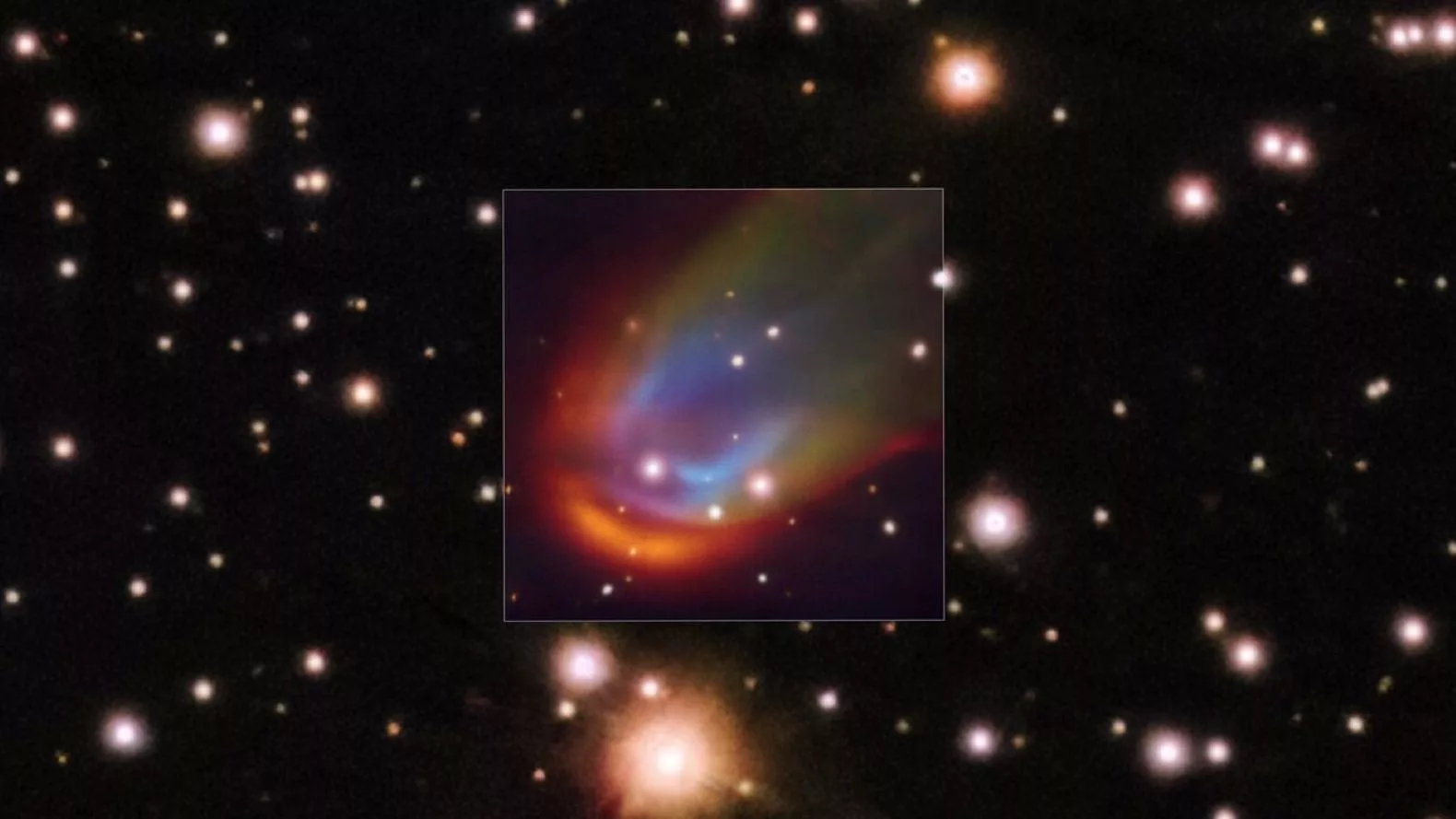 Signals & Anomalies · ESO Discovery
The Dead Star That Shouldn't Be Breathing, And Is
According to everything physicists know, RXJ0528+2838 should not have a shock wave around it. It does, and 12 institutions across seven countries cannot explain why.
 Astrophysics · Black Holes · Gravitational Waves
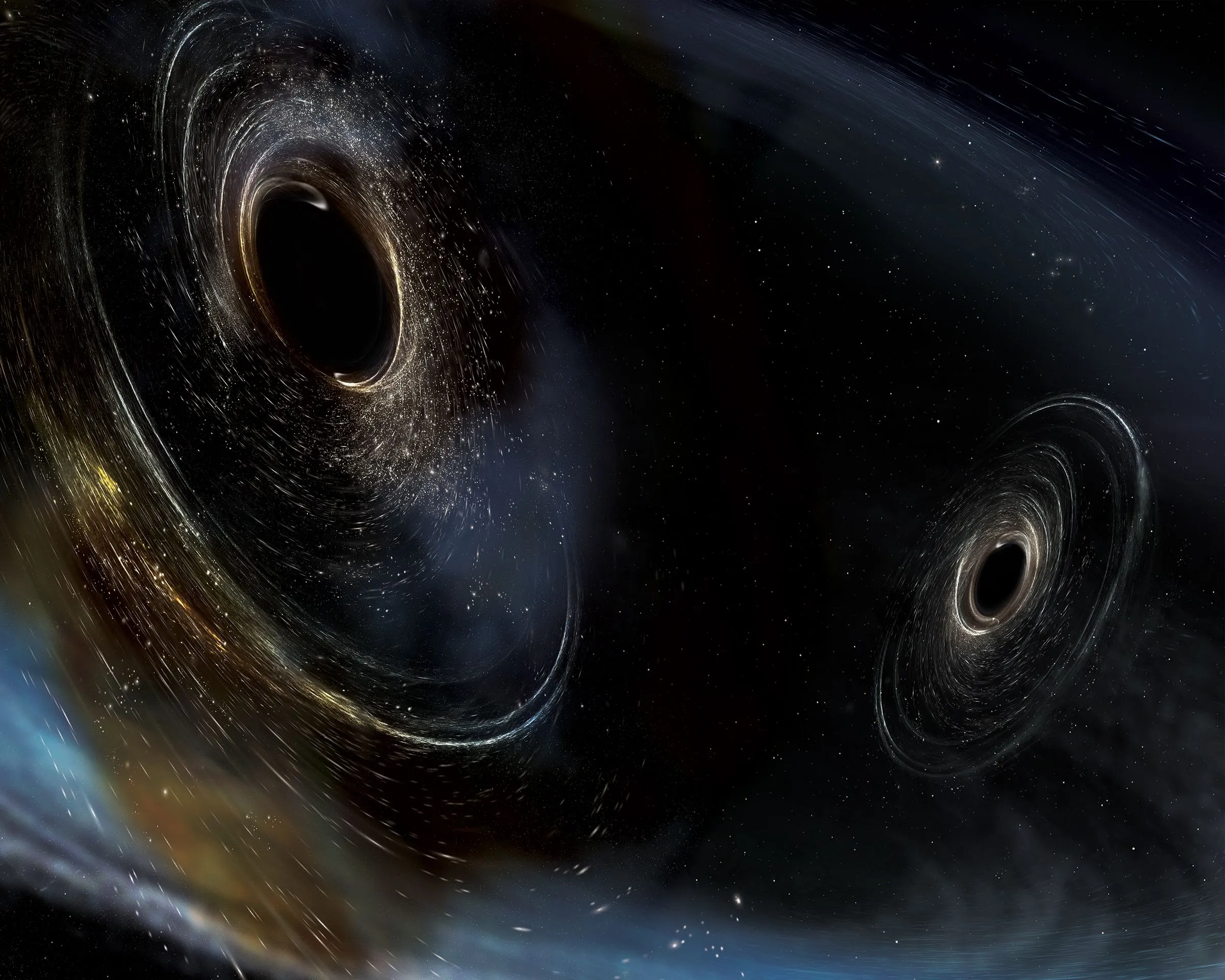
The Day Two Black Holes Released More Energy Than Every Star in the Observable Universe Combined
On September 14, 2015, LIGO recorded the final 0.2 seconds of a collision that had been a billion years in the making. The peak luminosity exceeded the combined light output of every star in every galaxy in the observable cosmos by a factor of fifty.
 Cosmology · Gravitational Waves · Black Holes
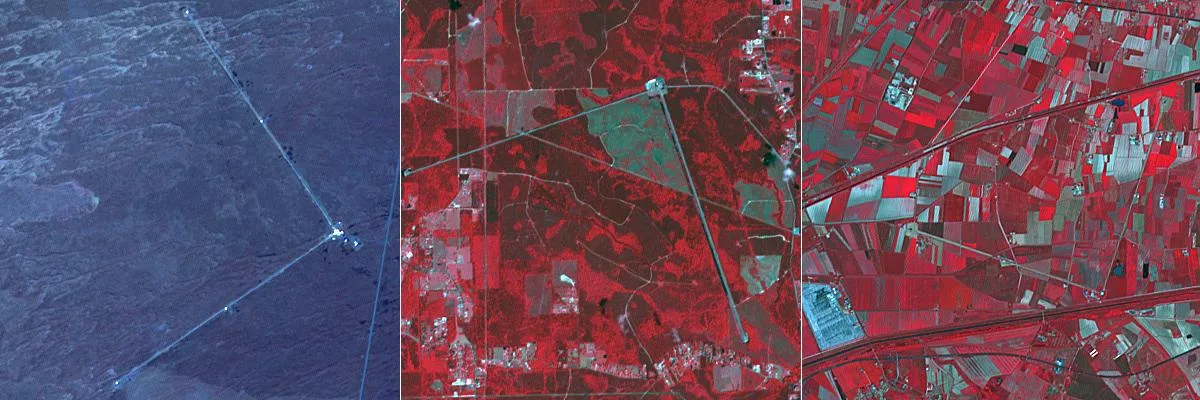
The Census of Colliding Black Holes
In one release, the number of gravitational-wave detections more than doubled. The fourth LIGO-Virgo-KAGRA catalog turned a handful of collisions into a population, and inside it sat a black hole that should not exist.
 Astrophysics · Stellar Evolution · Red Supergiants
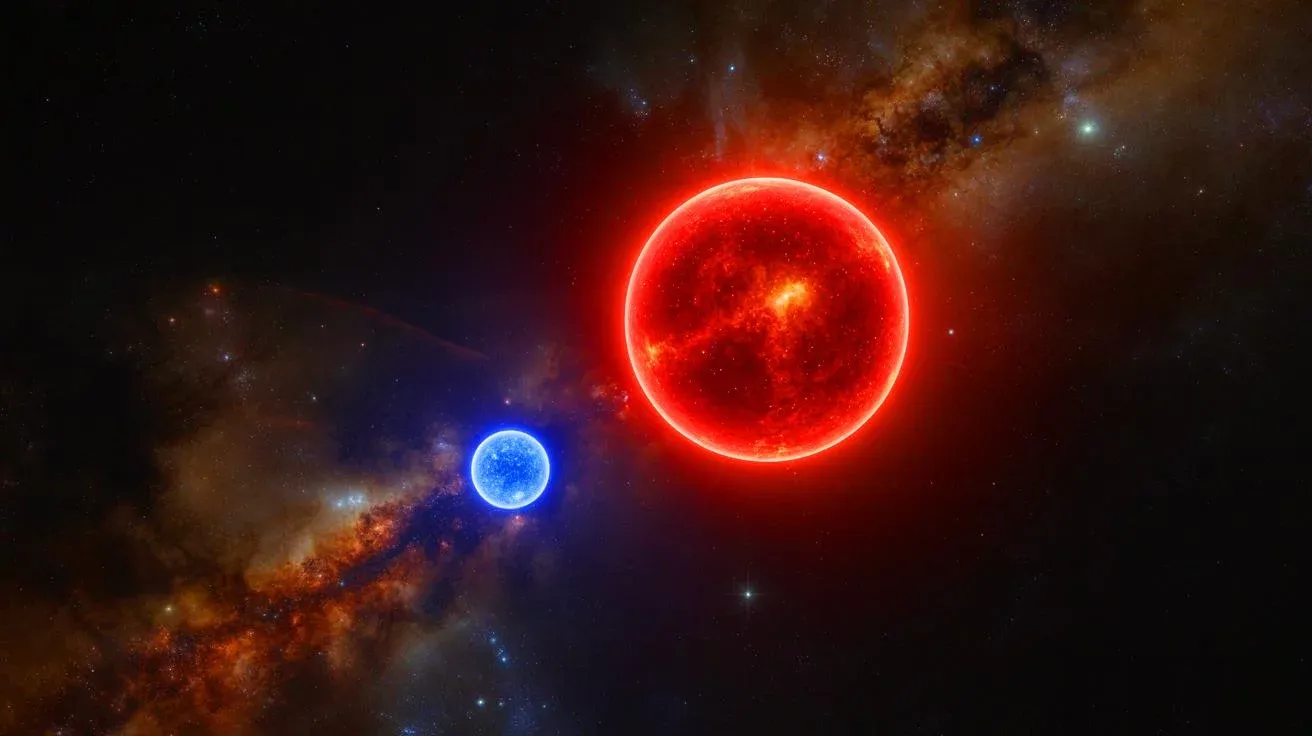
The Closest Star About to Explode Has a Hidden Companion
Betelgeuse is 650 light-years away, one thousand times the diameter of the Sun, and visibly twinkling above your head every clear winter night. For decades it has confused astronomers with cycles no one could explain. In 2024, two teams finally found why, and it is a small star, hidden in the glare.
 Astrophysics · Black Holes · Tidal Disruption
When a Black Hole Shreds a Star
Wander too close to a supermassive black hole and gravity becomes a weapon. The star is stretched into a stream of gas, half of it swallowed in a flare that can outshine a galaxy.
 Cosmology · Gravitational Waves · Black Holes
The Collision That Came In Sideways
Theory assumed colliding compact objects settle into near-perfect circles before merging. Then astronomers reanalyzed a black hole swallowing a neutron star and found the two spiraled in on an oval.
 Cosmology · Dark Matter · Black Holes
The Black Hole Too Small to Be a Star's Ghost
Stars cannot leave a black hole lighter than the Sun. In late 2025 a gravitational-wave detector caught a signal hinting at exactly that, possibly a relic of the Big Bang, and dark matter.
 Cosmology · Early Universe · Black Holes
The Little Red Dots That Shouldn't Exist
When JWST looked deep into the early universe, it found a swarm of tiny, intensely red points of light. The leading answer would mean black holes appeared before the galaxies that should have made them.
 Astrophysics · Neutron Stars · Pulsars
The Lighthouses at the End of a Star's Life
In 1967 a young researcher found a signal so regular it was half-jokingly labeled Little Green Men. It was a city-sized corpse of a star, spinning hundreds of times a second and sweeping a beam of radio light across the galaxy.
 Astrophysics · Neutron Stars · Nucleosynthesis
Where the Gold Came From
Every gold ring and platinum wire on Earth was forged in a collision so violent it shook spacetime. In 2017, astronomers watched two neutron stars merge in gravitational waves and light, and saw the universe make its heaviest elements in real time.
 Cosmology · Stellar Death · Supernovae
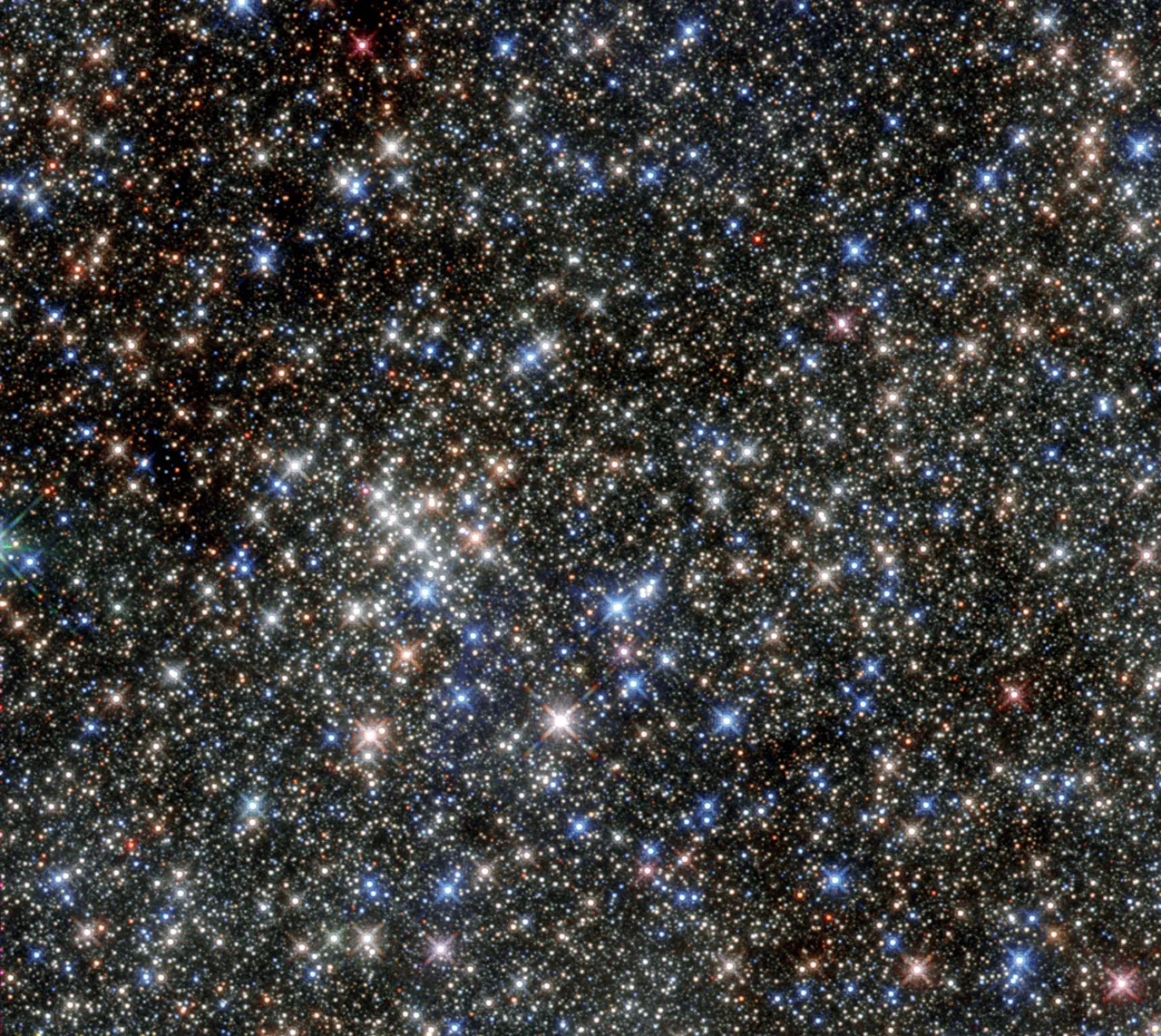
The Star We Saw Before It Died
For the first time, JWST identified the exact star that would become a supernova: a red supergiant hidden inside a cocoon of its own dust, blazing with the light of a hundred thousand Suns.
 Astrophysics · Milky Way · Star Clusters
The Ancient Cities of Stars
Scattered around every large galaxy are dense spheres of hundreds of thousands of stars, among the oldest things in the universe. They once revealed our true place in the Milky Way.
 Astrophysics · Milky Way · Galactic Center
The Giant Lobes Rising From the Milky Way
In 2010, a space telescope revealed two colossal balloons of energy tens of thousands of light-years above and below the center of our galaxy, the scar of something enormous the Milky Way did in its past.