 Cosmology · Exoplanets · Habitability
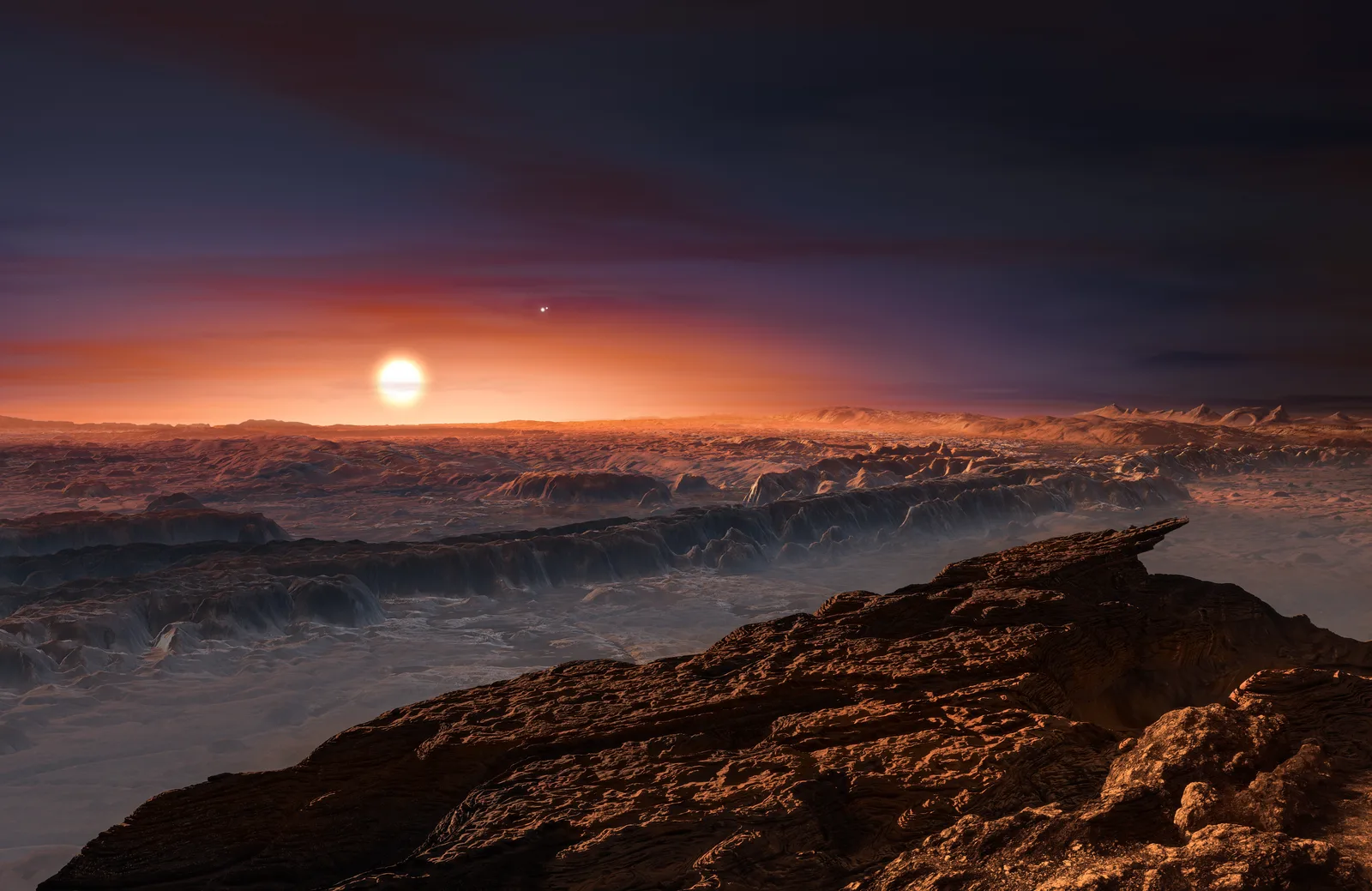
The Habitable World Next Door That Its Star May Have Sterilized
Proxima Centauri b orbits the closest star to the Sun, inside the zone where liquid water could exist. The problem is the star itself, a red dwarf that flares hard enough to strip a planet bare.
 Cosmology · Exoplanets · Rogue Planets
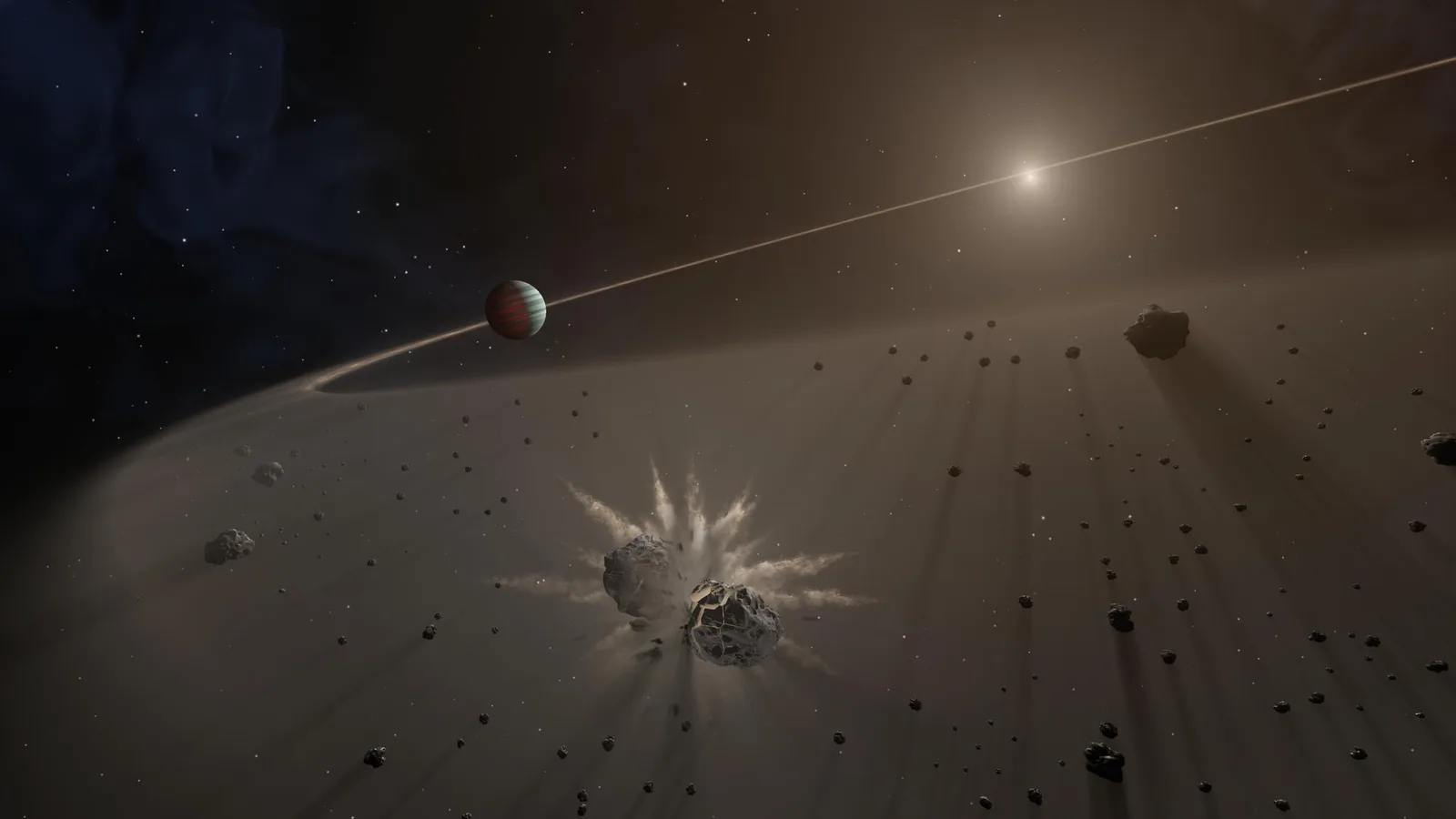
The Planets That Drift Through the Dark
Untethered to any star, rogue worlds may outnumber the suns of the Milky Way. Here is how astronomers find the invisible, and why one of these frozen wanderers might still hide an ocean.
 Cosmology · Exoplanets · Direct Imaging
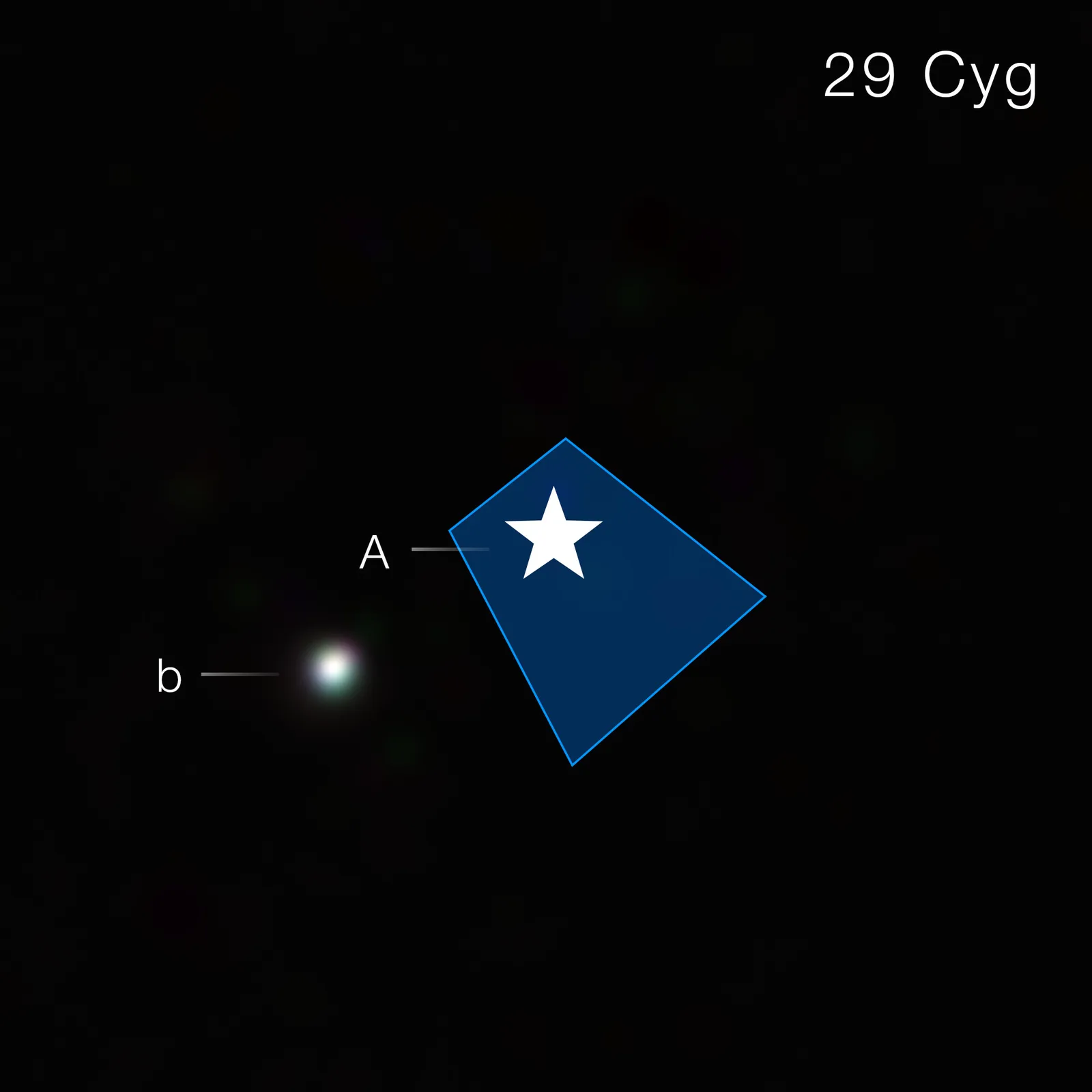
The Planet That Webb Actually Photographed
Around a bright star in Cygnus, the James Webb Space Telescope blocked the glare of the star itself and captured the faint thermal glow of a world fifteen times the mass of Jupiter. 29 Cygni b is a rare thing: not an inferred planet, but a photographed one.
 Cosmology · Exoplanets · Planet Formation
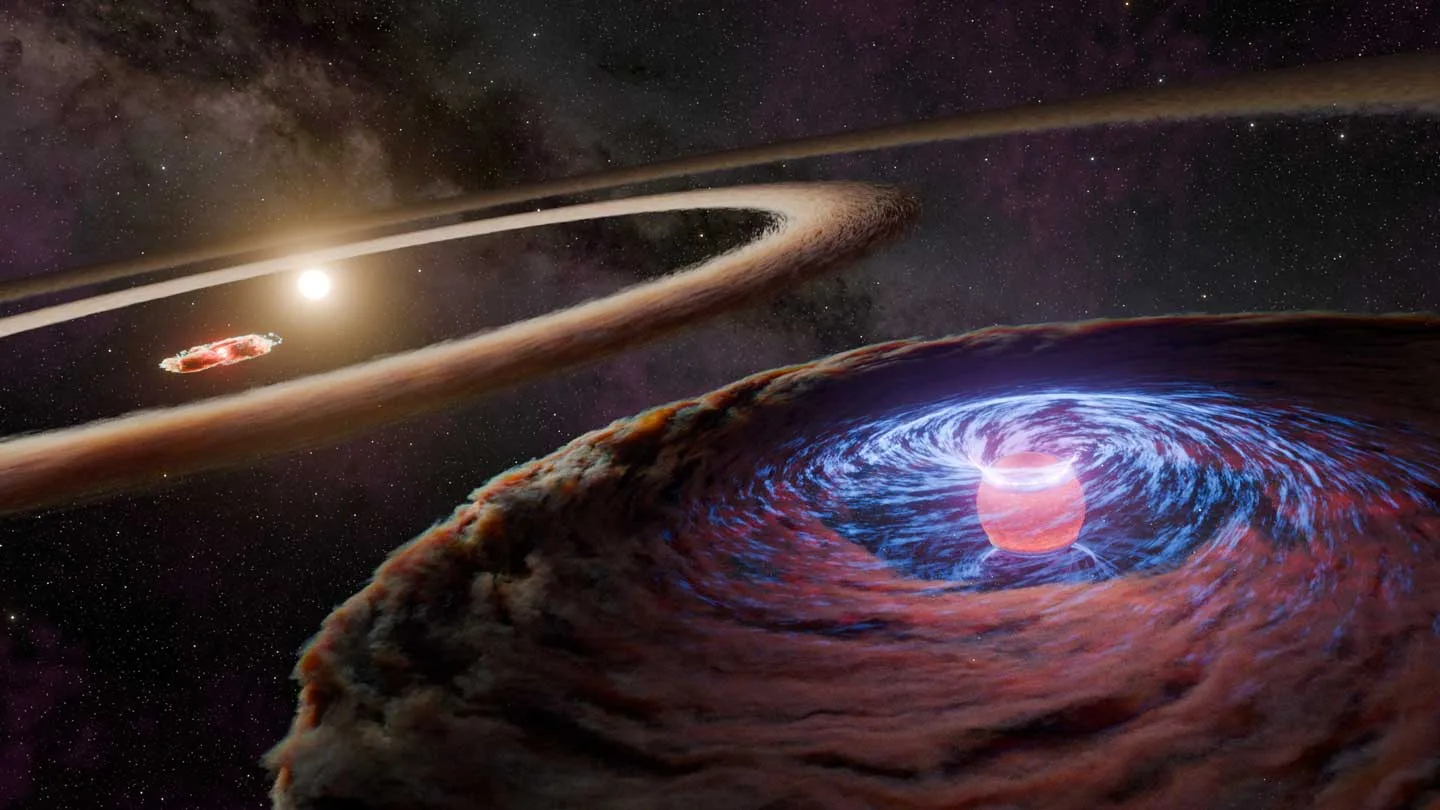
Two Planets Caught in the Act of Being Born
Around a young Sun-like star called WISPIT 2, astronomers have directly imaged a gas giant glowing inside a dark gap in a multi-ringed disk, and then a second forming world closer in. It is the cleanest case yet of watching a planetary system assemble itself.
 Astrophysics · Stellar Evolution · Brown Dwarfs
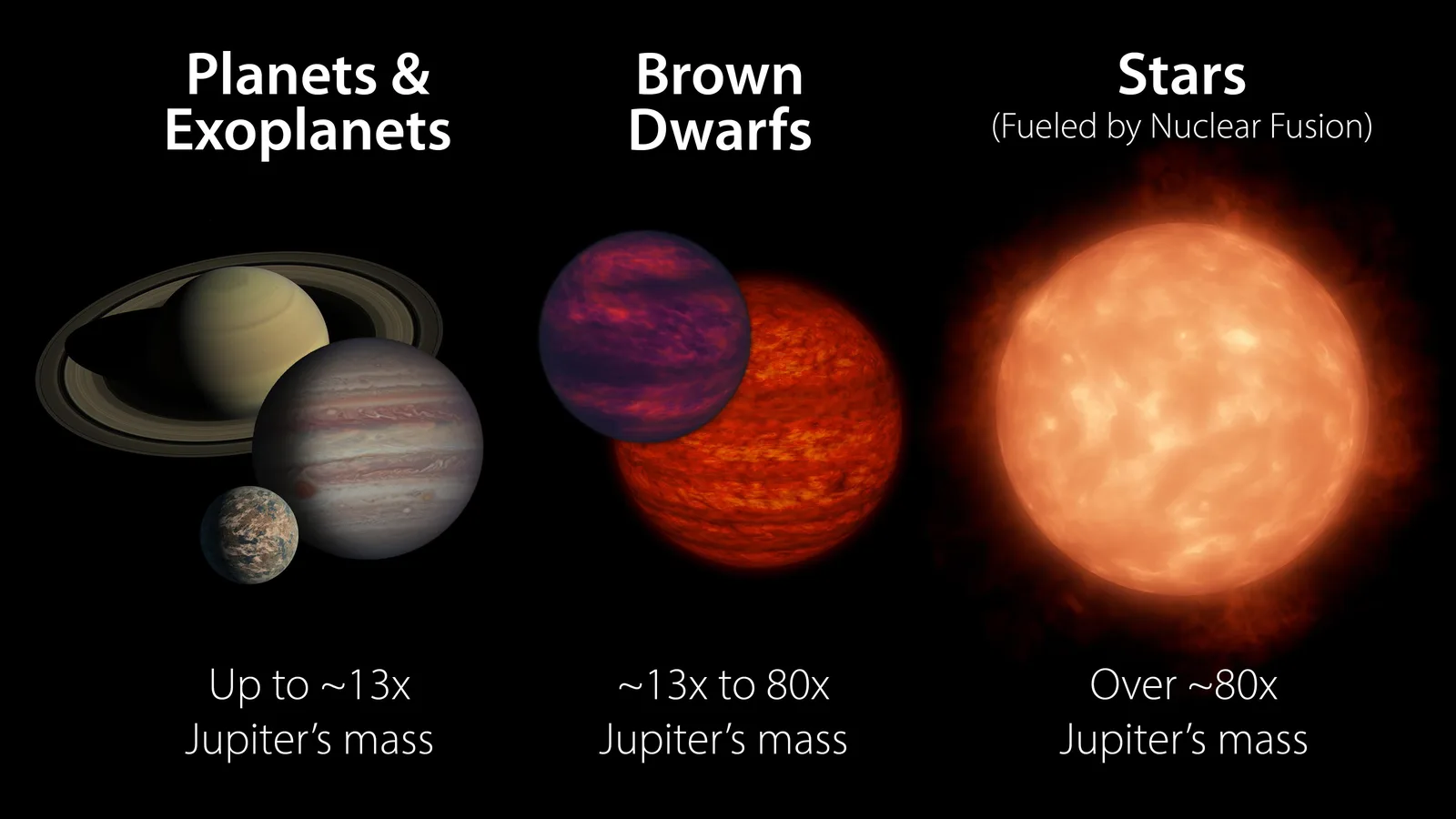
The Stars That Almost Were
Brown dwarfs are too heavy to be planets and too light to ignite as stars. They are the objects the galaxy started building and then quietly set aside, and the coldest of them now hovers near the freezing point of water.
 Signals & Anomalies · SETI · Radio Astronomy
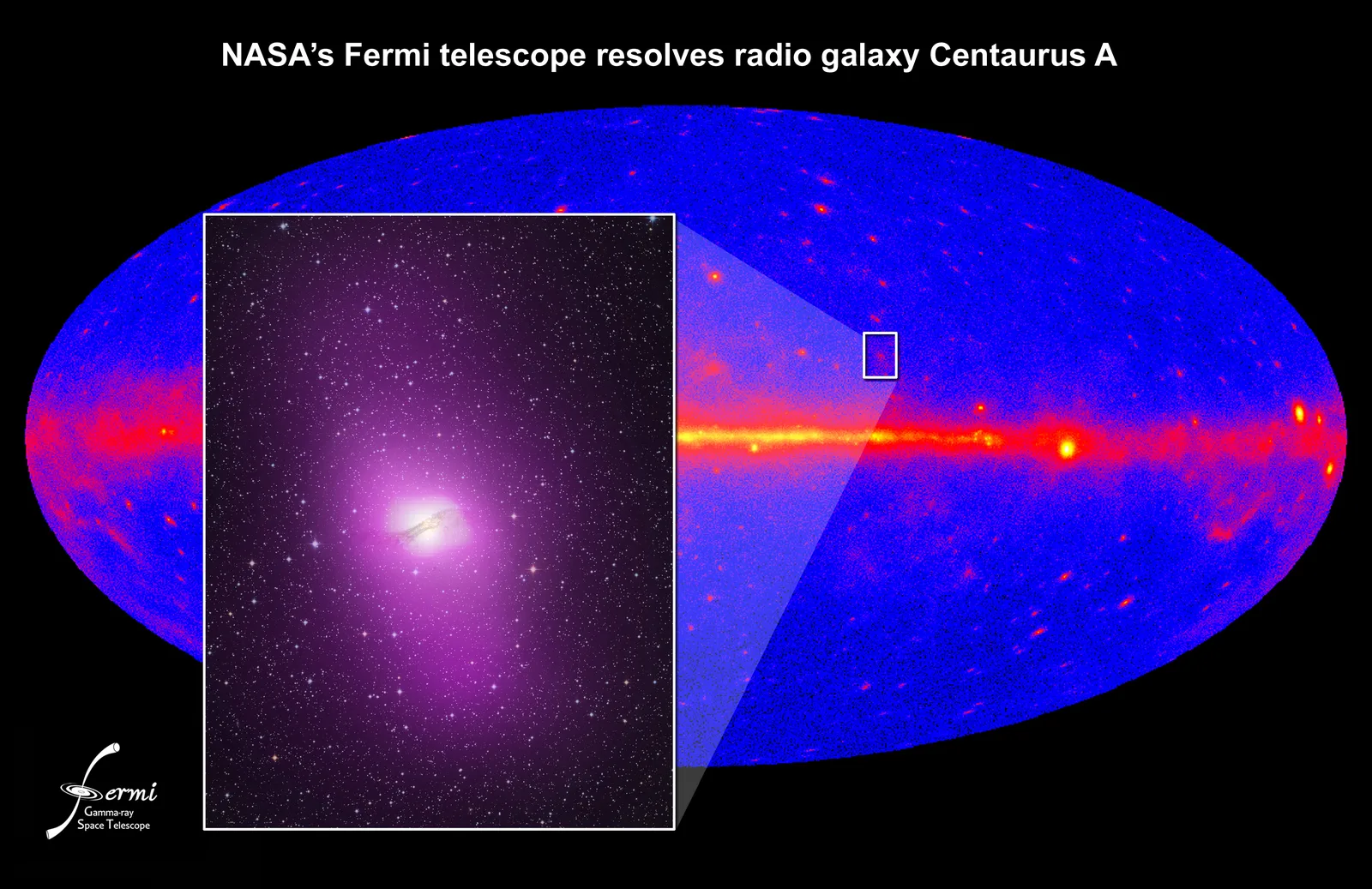
The 72 Seconds That Still Haunt Radio Astronomy
On a summer night in 1977, an Ohio radio telescope recorded a narrowband burst near the frequency of hydrogen itself. An astronomer circled the printout and wrote one word. Almost fifty years later, no one has heard it again.
 Signals & Anomalies · Stellar Anomalies · Exocomets
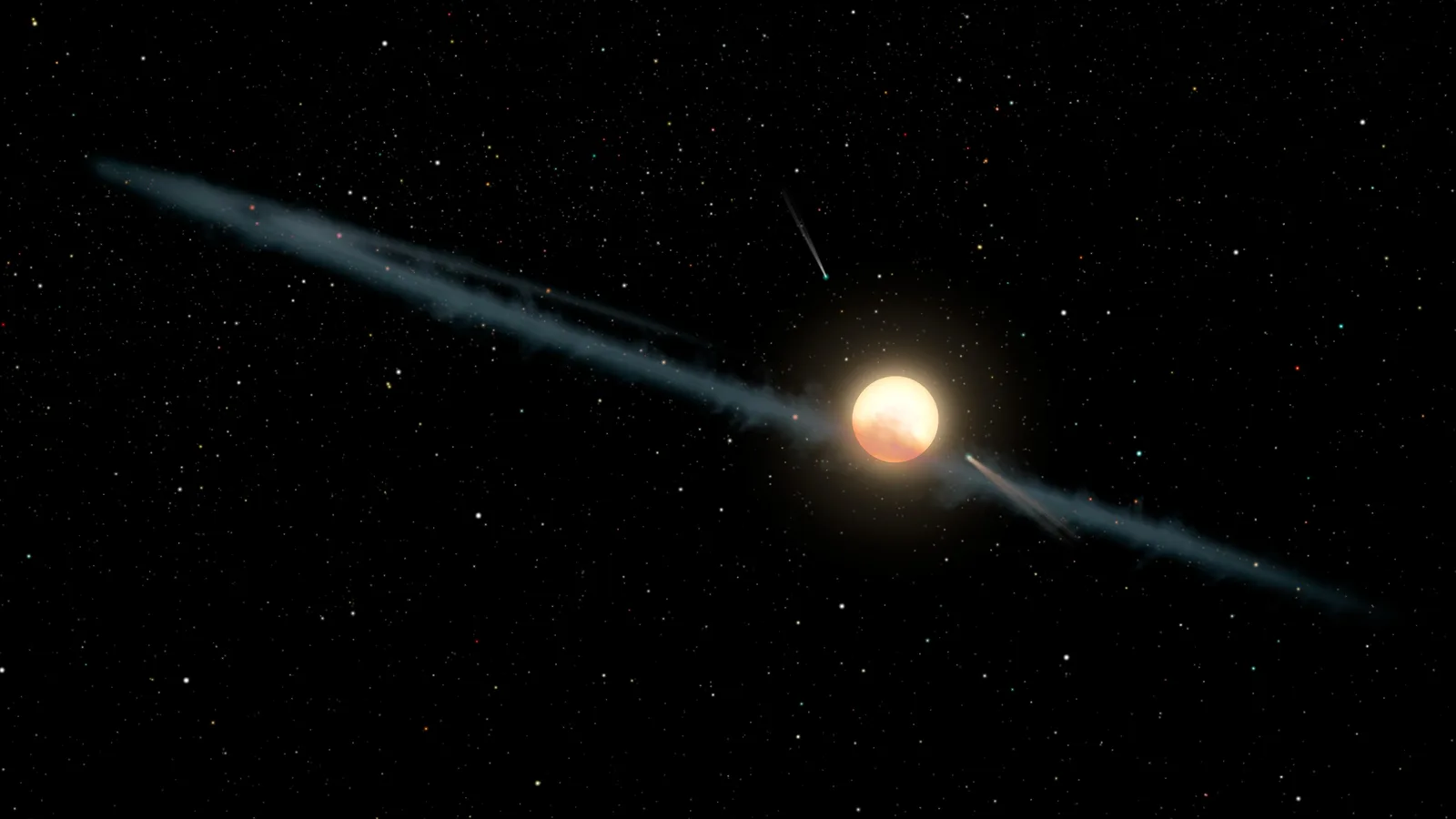
The Star That Flickers Like Nothing Else in the Sky
For four years, a telescope watched one ordinary-looking star lose up to a fifth of its light in jagged, unpredictable plunges. The leading suspect is dust, not aliens, and the case is still not fully closed.
 Cosmology · Exoplanets · Astrobiology
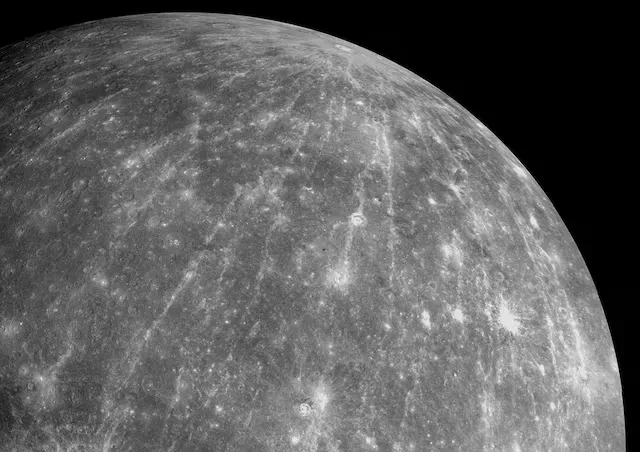
The First Exoplanet Whose Surface We Have Actually Seen
For the first time, the James Webb Space Telescope has read the bare rock of a world 48.5 light-years away. LHS 3844 b is a dark, hot, airless slab of basalt, and what it tells us about life is written in what is missing.
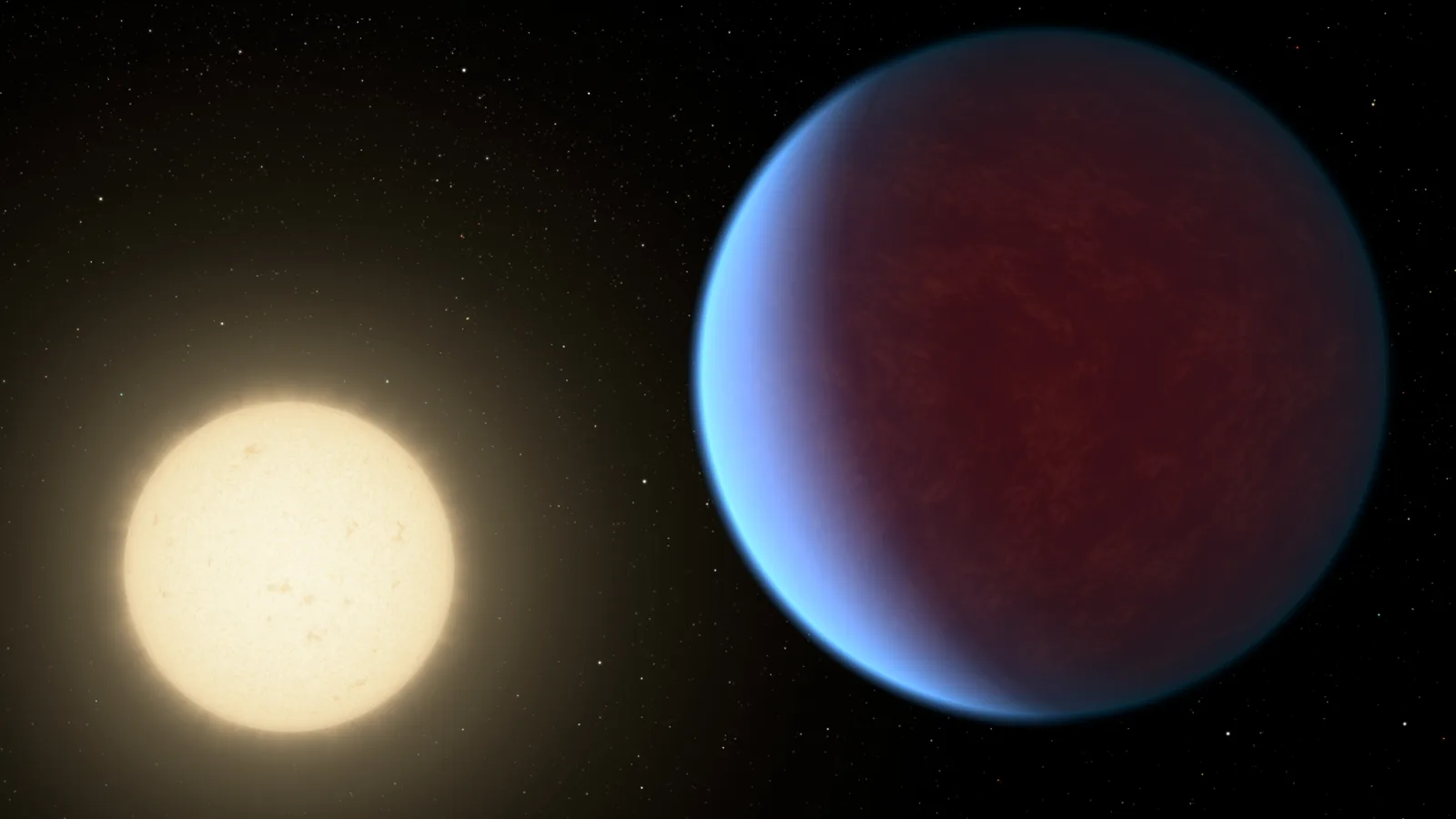 Cosmology · Exoplanets · Magma Worlds
The World That Breathes Sulfur
Thirty-five light-years away, the super-Earth L 98-59 d has no solid ground. A permanent ocean of magma feeds a sky laced with sulfur, and it may be the first of a new class of planet.
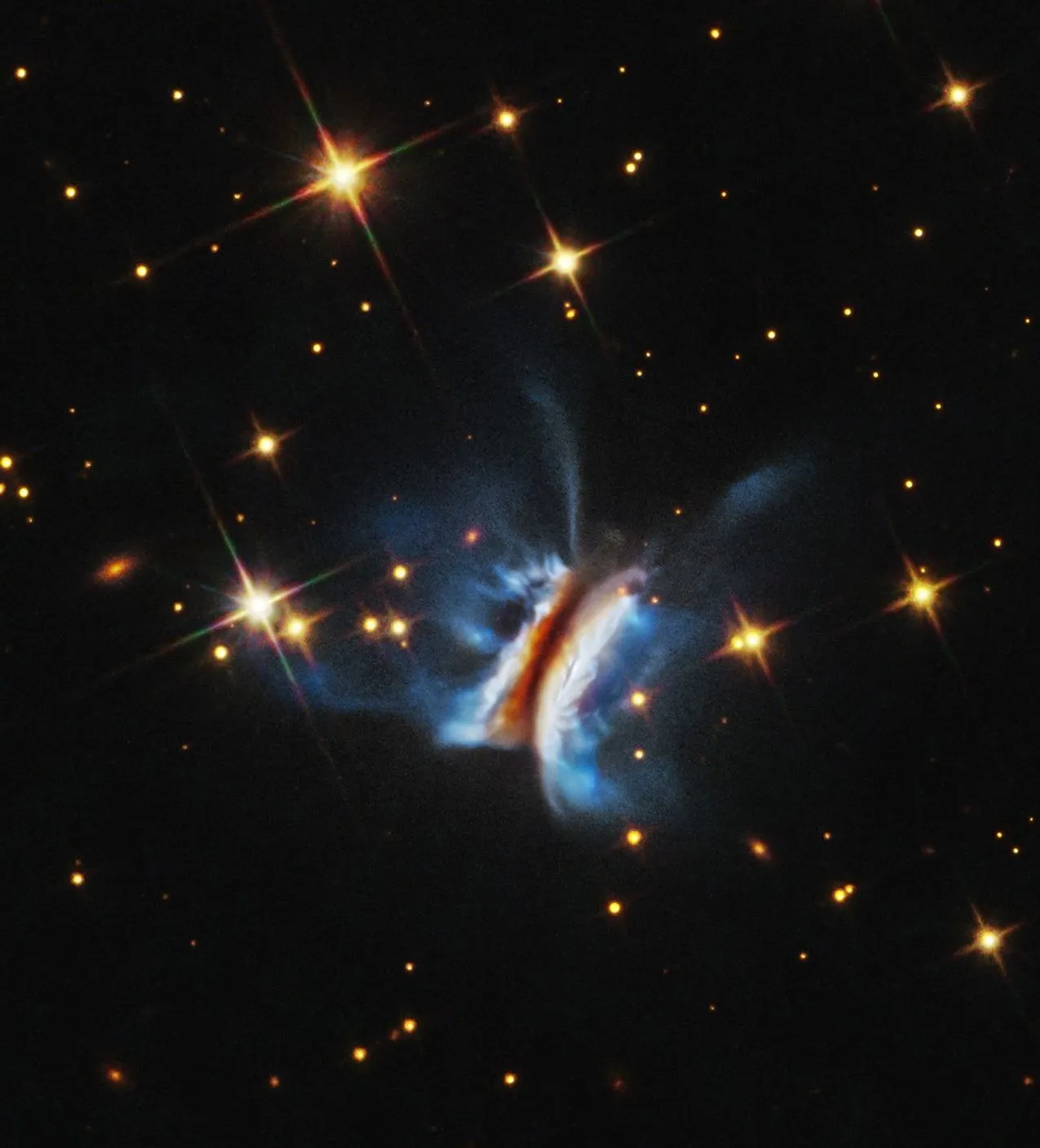 Astrophysics · Star Formation · Protoplanetary Disks
Hubble's Look Inside the Largest Planet Nursery Ever Found
A young star 1,000 light-years away is wrapped in a disk so vast it could swallow forty solar systems. When Hubble looked closely, it found something the textbooks did not predict: chaos.
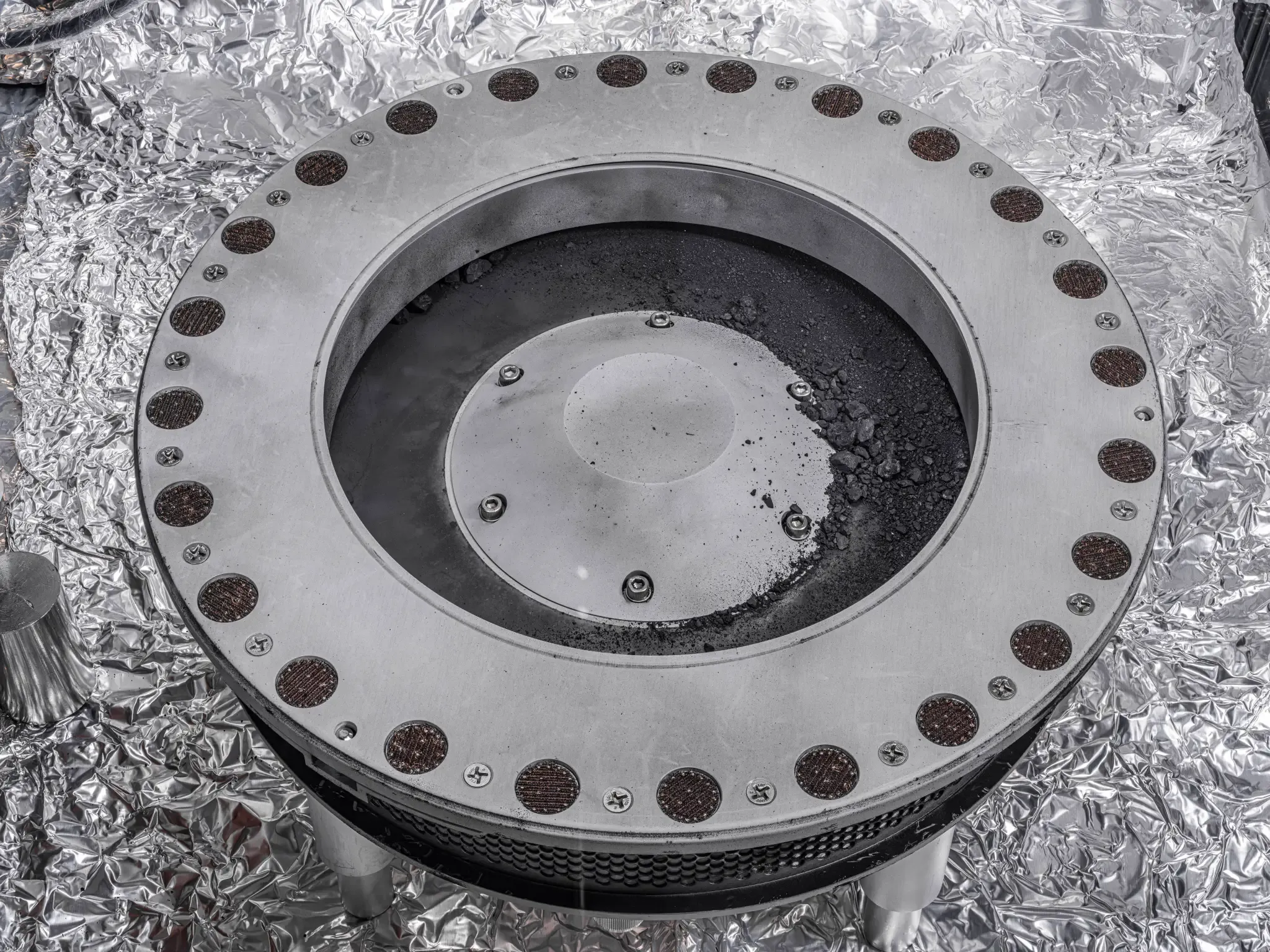 Cosmology · Astrobiology · Asteroids
The Asteroid Sample That Brought Back Almost Every Ingredient for Life
Fifteen of the twenty amino acids life uses. All five DNA and RNA bases. Ribose. Glucose. And a polymer never seen anywhere else in space. NASA opened a 121-gram sample from a 500-meter asteroid and found pieces of the chemistry that built every living thing on Earth.
 Cosmology · Astrobiology · Origin of Life
Every Living Thing on Earth Descended From One Cell. We Now Know Roughly Where It Lived.
Three billion years ago, perhaps four, a single cell at the bottom of an ocean was the ancestor of every plant, animal, fungus, and microbe ever to exist. A 2024 paper has dated it more precisely than any analysis before.
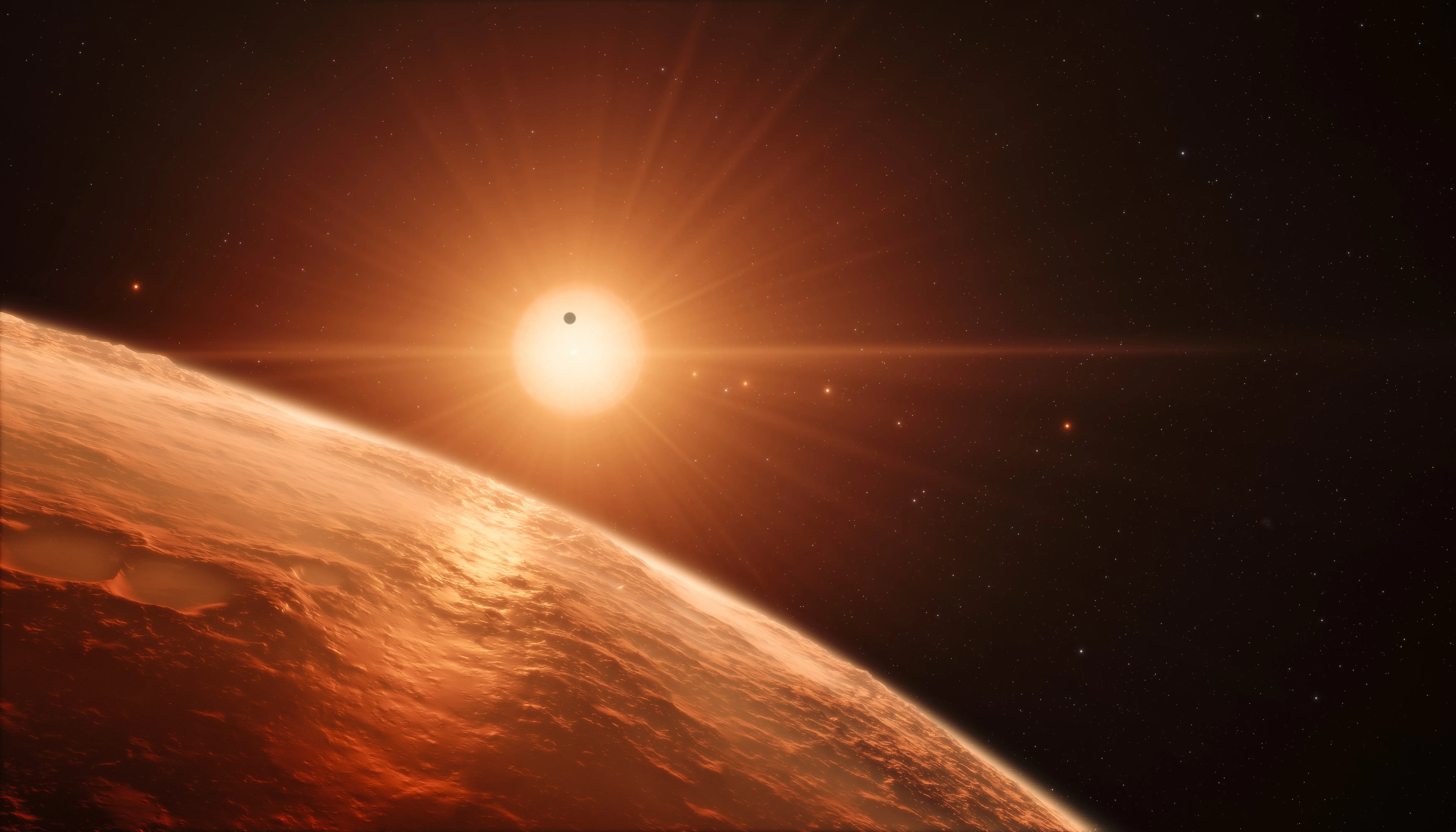 Cosmology · Exoplanets · Astrobiology
Seven Earth-Sized Worlds Around One Star, and What James Webb Just Found Out About Them
TRAPPIST-1 has seven Earth-sized planets at 40 light-years from Earth. Three sit in the habitable zone. JWST has spent two years probing their atmospheres. The picture is clarifying, and uncomfortable in places.
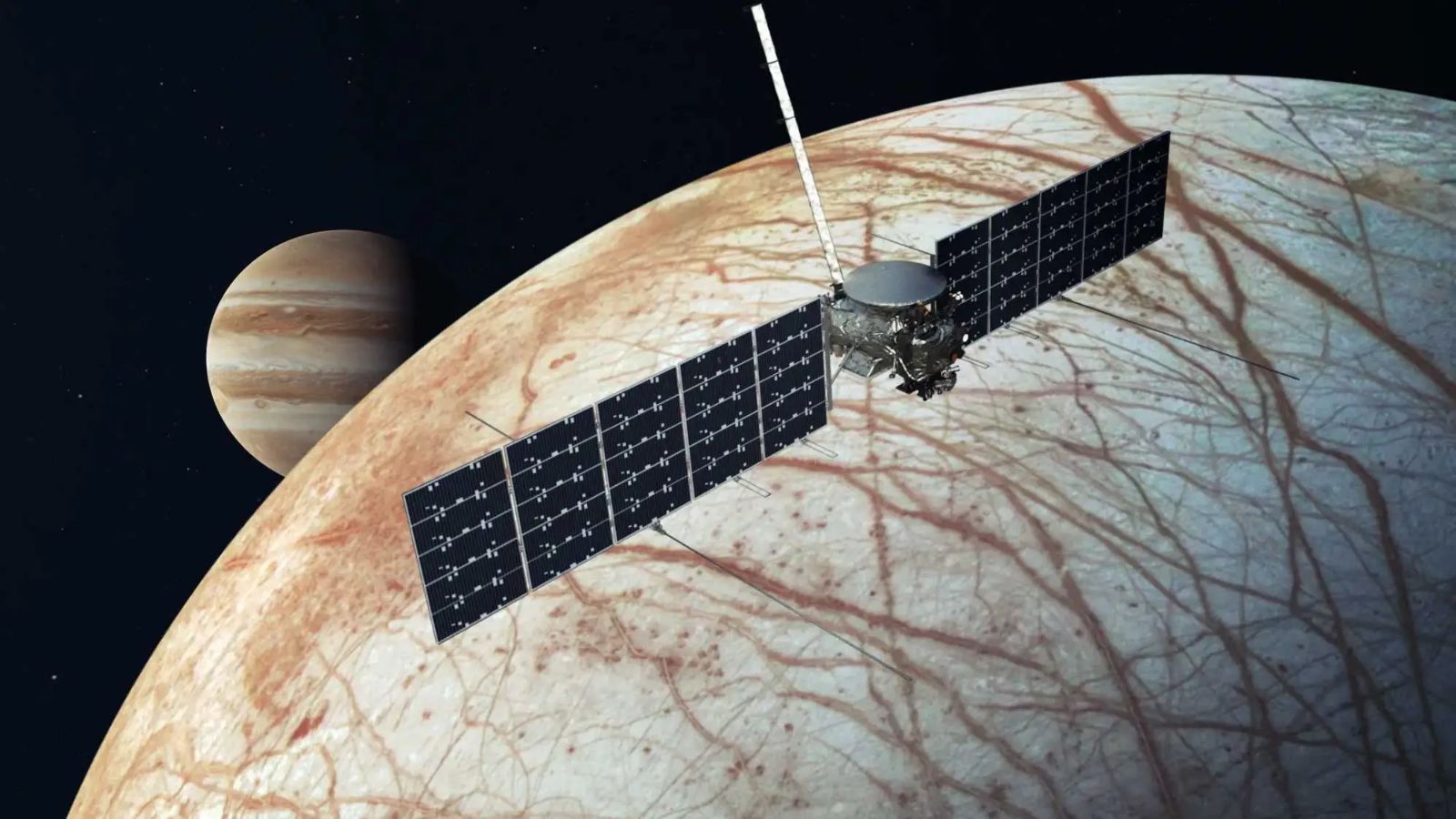 Cosmology · Astrobiology · Icy Moons
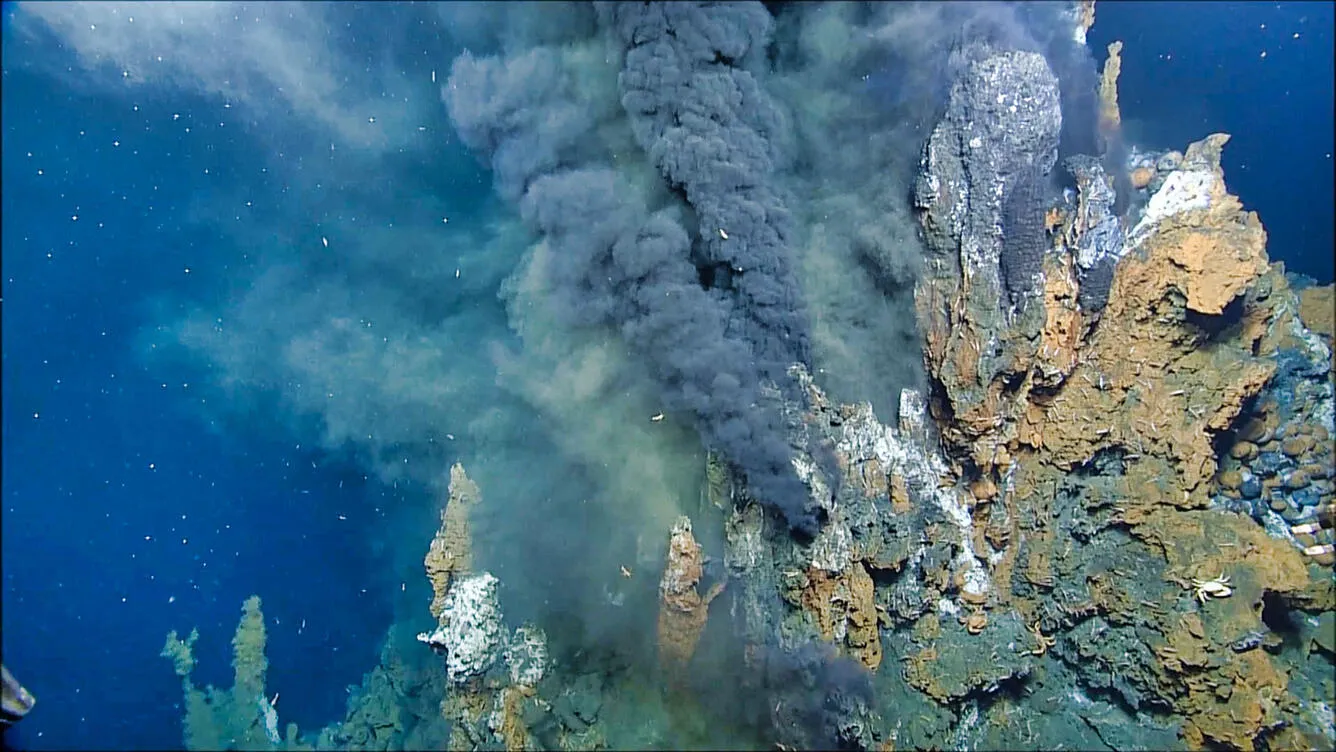
The Deepest Place on Earth Tells Us What to Look For on Europa
At 10,935 meters down, in pitch darkness and pressure that would crush a submarine, life persists. Tube worms grow two meters long around hydrothermal vents that exist on no map. The same kind of vent, the same chemistry, possibly the same biology, is the leading candidate for where life beyond Earth might exist. Europa Clipper is on its way.
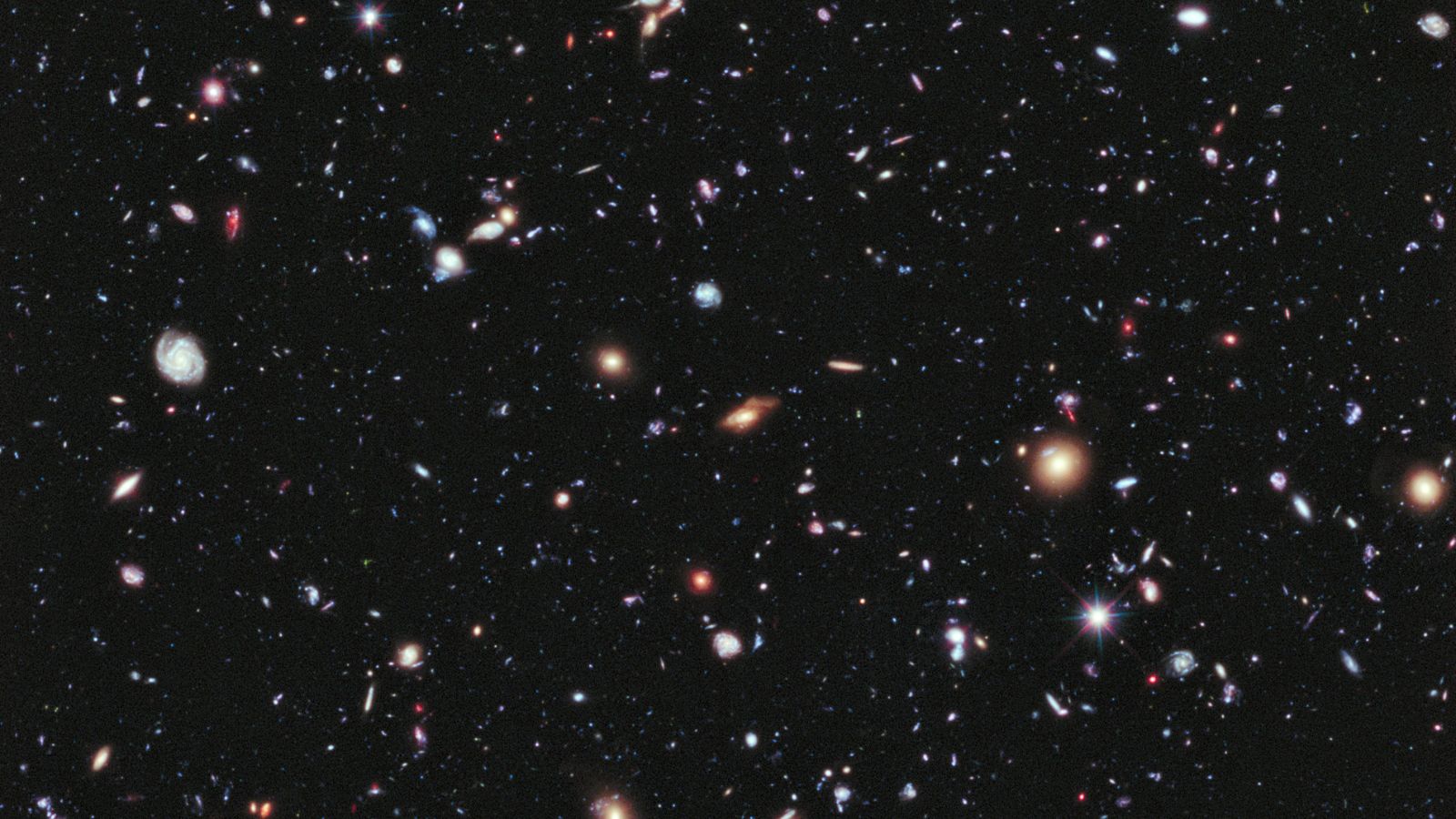 Cosmology · Astrobiology · SETI
Where Is Everybody?, and Why the Most Famous Question in Astronomy Just Got Quietly Demolished by Math
Enrico Fermi reportedly asked the question over lunch at Los Alamos in 1950. For seventy-five years it has been one of the most cited puzzles in science. In 2018, three Oxford researchers showed with one careful recalculation that the entire premise of the paradox might be wrong, and the universe being silent might mean exactly nothing.
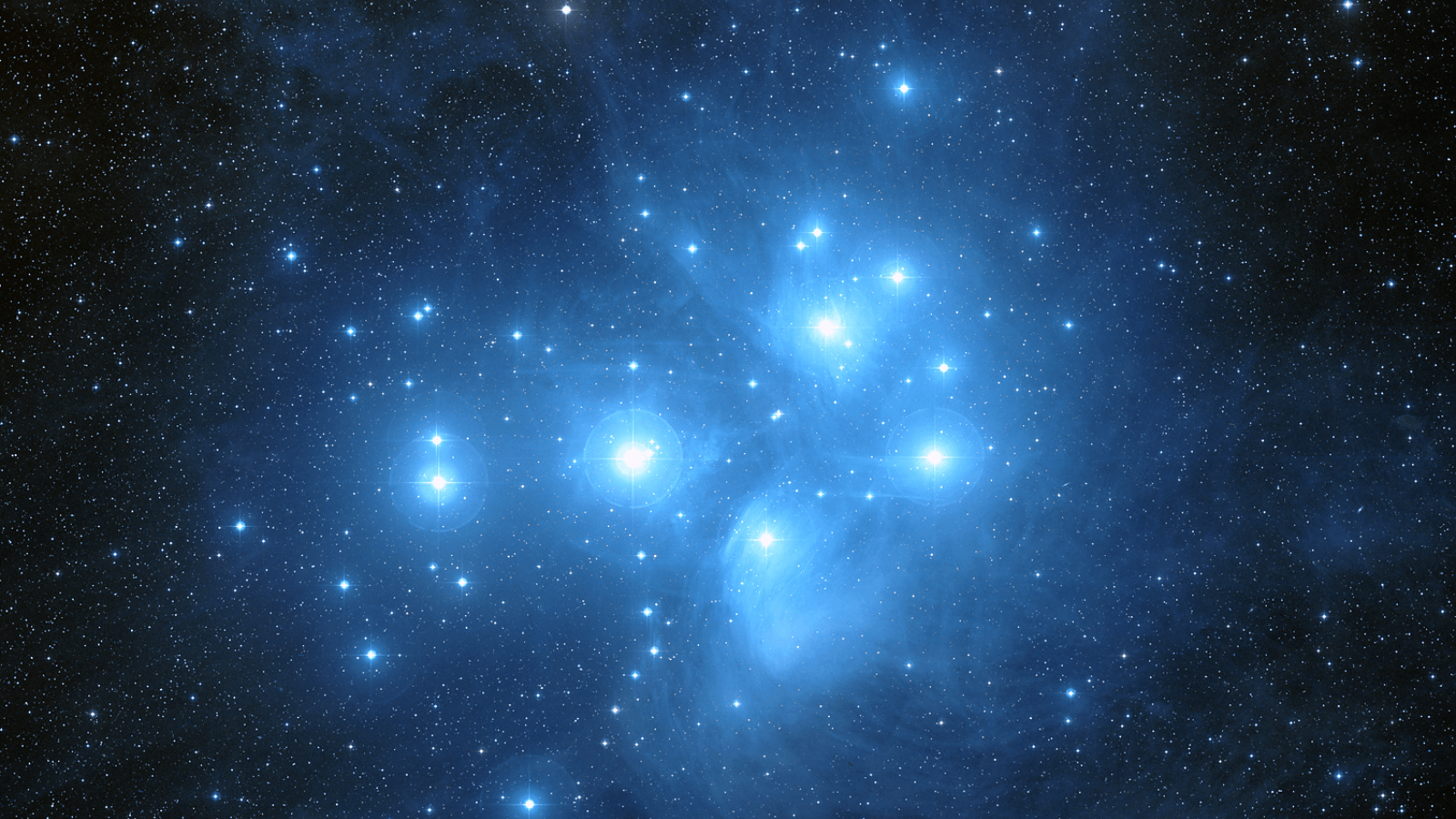 Astrophysics · Star Clusters · Pleiades
If You Stood on a World in the Pleiades, This Is What You'd See
Messier 45 is the most photographed open cluster in the sky and one of the closest. No planet has ever been confirmed orbiting any of its 1,300 stars. And yet on one of them, a quiet F-type star named HD 23514, colliding embryos appear to be building a planet right now.
 Cosmology · Exoplanets · Astrobiology
The Planet That Almost Had a Sign of Life
In 2025, a team announced a gas in a distant world's air that, on Earth, is made almost only by living things. Then the scrutiny began, and it became a case study in how hard it is to claim life.
 Cosmology · Exoplanets · Direct Imaging
The Coldest World We Have Ever Photographed
Almost every planet we have imaged directly is a young, glowing furnace. Then JWST captured a mature, frigid super-Jupiter twelve light-years away, near the freezing point of water, with clouds of ice in its sky.
 Cosmology · Search for Life · SETI
The Equation That Tries to Count Alien Civilizations
In 1961, a young astronomer wrote seven terms on a blackboard to organize a single impossible question: how many civilizations in our galaxy might we be able to talk to?
 Cosmology · Search for Life · Technosignatures
How to Spot a Civilization From Light-Years Away
An advanced civilization might betray itself not with a message but with its machinery: the waste heat of a star wrapped in solar panels, a chemical stain in an alien sky, a structure too vast to hide.